Why Summer Parasite Prevention Is Essential for Cats
Why Summer Parasite Prevention Is Essential for Cats
As summer arrives in Riverview, FL, many cat owners begin to notice their feline companions scratching more or spending extra time grooming themselves. If you’re worried about fleas, ticks, or heartworms in the hot and rainy June weather, you’re not alone. Parasites thrive during Florida’s warmest months, and without proper prevention, cats can quickly become uncomfortable or even seriously ill. At Riverview Veterinary Hospital in Riverview, FL, our team of experienced veterinarians understands the unique challenges of keeping cats healthy throughout the summer. In this blog, we’ll explore why summer parasite prevention is essential for cats, how to recognize the signs of a parasite problem, what makes Florida’s climate particularly risky, and how you can protect your feline friend all season long.
Whether you’re a long-time resident or new to the area, we’ll guide you through the most important steps to safeguard your cat’s health during peak parasite season. From understanding the dangers of local parasites to knowing when it’s time to schedule an appointment, our veterinary team is here to help you keep your cat happy and parasite-free. Let’s dive into everything you need to know about summer parasite prevention for cats in Riverview and surrounding communities.
Recognizing the Signs: How to Tell If Your Cat Has Parasites
Not all cats show obvious symptoms when they’re dealing with parasites, which is why prevention and regular check-ups are so important. However, there are some key indicators that can help you recognize when your cat might have picked up unwanted pests. Cats suffering from fleas often exhibit frequent scratching, excessive grooming, hair loss (especially around the tail or neck), or small black specks—flea dirt—in their fur. In cases of a heavy flea infestation, you may even see fleas moving through your cat’s coat or notice pale gums due to anemia.
Ticks are less common indoors, but cats that spend any time outside or in screened porches are at risk. A tick may appear as a small, round bump attached to your cat’s skin, often found around the ears, neck, or between toes. Cats rarely show obvious symptoms from ticks at first, but over time, they may develop localized irritation or become lethargic if a tick-borne disease is transmitted.
Heartworm disease in cats is especially challenging to detect. Unlike dogs, cats may not show clear symptoms. When signs do appear, they may include coughing, difficulty breathing, vomiting, or sudden collapse. Because heartworm can be fatal in cats and there is no approved treatment, prevention is the best and only real protection.
Some cats may also display subtle behavior changes when dealing with parasites, such as hiding more than usual, acting restless, or showing a decreased appetite. If you notice any of these warning signs—especially during the summer months—it’s important to contact our veterinary professionals for an evaluation.
Why Florida’s Summer Weather Increases Parasite Risk for Cats
Florida’s hot and rainy summer climate creates the perfect environment for parasites to thrive. Fleas and ticks multiply rapidly in warm, humid conditions, and their eggs can survive in shaded areas of your yard, on outdoor furniture, or even in your home’s carpeting. Summer storms and high humidity allow these pests to stay active for longer periods, increasing the risk that your cat will be exposed.
Mosquitoes, which spread heartworm disease, are especially problematic in Riverview and nearby areas during the summer. Standing water from frequent rains gives mosquitoes plenty of places to breed, and just one bite from an infected mosquito can transmit heartworm larvae to your cat. Even indoor cats are not completely safe; mosquitoes can easily find their way inside homes, putting all cats at risk.
Additionally, cats that venture outdoors or spend time in screened enclosures are likely to encounter fleas, ticks, and mosquitoes more frequently. Even if your cat stays strictly indoors, you or other pets can inadvertently bring parasites inside on clothing, shoes, or fur. For these reasons, year-round parasite prevention is always recommended, but it becomes especially critical during Florida’s summer months.
The Dangers of Fleas, Ticks, and Heartworms in Cats
While many people think of fleas and ticks as minor annoyances, these parasites can lead to significant health problems for cats. Fleas are not only uncomfortable; they can cause allergic dermatitis, transmit tapeworms, and, in severe cases, lead to anemia—especially in kittens or older cats. If a flea allergy is present, even a single bite can trigger intense itching and skin infections.
Ticks pose a different set of threats. Although cats are less likely than dogs to acquire tick-borne diseases, they can still become infected with illnesses such as cytauxzoonosis or hemobartonellosis. These diseases can be serious and sometimes life-threatening, with symptoms ranging from fever and lethargy to loss of appetite and pale gums.
Heartworm disease is perhaps the most concerning parasite risk for cats. Unlike dogs, cats are not a natural host for heartworms, which means the disease behaves differently and is much harder to diagnose or treat. A single heartworm can cause severe lung and heart inflammation, sometimes resulting in sudden death. There is no approved medication to eliminate heartworms in cats, so prevention is absolutely crucial.
How Our Veterinary Team Treats and Manages Parasite Issues
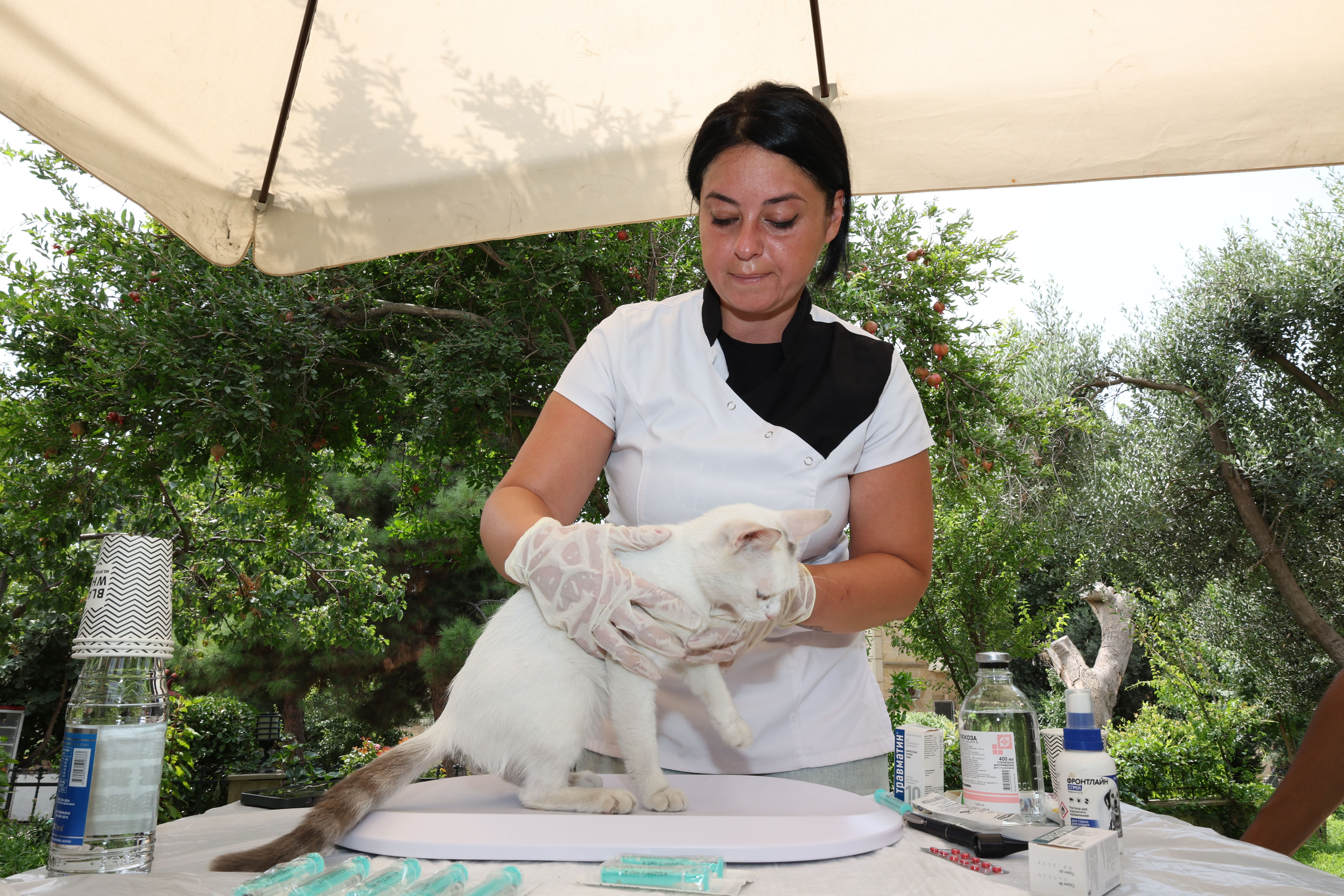
If your cat is diagnosed with fleas, ticks, or signs of heartworm exposure, our veterinary team at Riverview Veterinary Hospital will create a customized treatment plan based on your cat’s age, health status, and lifestyle. For flea and tick infestations, treatment often involves prescription topical or oral medications that safely eliminate adult parasites and prevent eggs from hatching. Our veterinarians may also recommend environmental control, such as vacuuming carpets, washing bedding in hot water, and using safe household sprays to remove any lingering eggs or larvae.
Cats affected by flea allergies or skin infections may require additional care, including medicated shampoos or short courses of anti-inflammatory medications to relieve itching and promote healing. In the case of ticks, our team will carefully remove the tick and monitor your cat for any signs of illness in the weeks following exposure. If your cat develops a tick-borne illness, supportive care and targeted medications may be necessary.
For heartworm, prevention is the only safe option. There is no effective or approved treatment for heartworm infection in cats; this is why our veterinarians strongly recommend monthly heartworm preventives for all cats, including those that live indoors. If heartworm exposure is suspected, we may recommend diagnostic tests and supportive care to manage symptoms.
Preventing Parasites: What Cat Owners Can Do at Home
Prevention is always better than treatment, especially when it comes to parasites that can cause lasting health problems for your cat. The best way to protect your feline friend is to use veterinarian-recommended parasite preventives year-round. These medications are available as topical treatments, oral chewables, or collars, depending on what works best for your cat and household.
In addition to preventive medications, you can help reduce your cat’s risk of exposure by keeping your home clean and your yard tidy. Regularly washing bedding, vacuuming carpets, and maintaining a clutter-free environment make it harder for fleas and ticks to find places to hide and reproduce. For outdoor or semi-outdoor cats, keeping grass trimmed and removing standing water sources can limit the presence of ticks and mosquitoes.
If you have multiple pets, ensure that all animals are on a consistent parasite prevention program to prevent cross-infestation. And remember, even indoor-only cats need protection; parasites can enter the home in surprising ways. Our team can help you choose the safest and most effective products for your cat and provide advice on keeping your home parasite-free.
When to Schedule a Veterinary Visit for Your Cat
Knowing when to seek professional help is key to protecting your cat from the dangers of parasites. You should schedule an appointment with our veterinary team if you notice any persistent scratching, hair loss, or visible signs of fleas or ticks. Cats showing symptoms like coughing, breathing difficulties, vomiting, weakness, or sudden changes in behavior should be seen promptly, as these could be signs of heartworm disease or a severe reaction to parasites.
Routine wellness visits are an important part of keeping your cat healthy year-round. During these appointments, our veterinarians can screen for early signs of parasite problems, recommend appropriate preventives, and provide tailored advice based on your cat’s age, medical history, and lifestyle. If you’re unsure whether your current prevention plan is enough, or if you have questions about which products are safest for your cat, our veterinary professionals are always here to help.
In Florida’s climate, waiting until you see symptoms can put your cat at unnecessary risk. Annual or semi-annual checkups are the best way to catch problems early and ensure your cat stays comfortable and healthy through every season.
Keeping Cats Safe: The Importance of Ongoing Parasite Prevention
Protecting your cat from fleas, ticks, and heartworms is one of the most important steps you can take as a responsible pet owner in Riverview and surrounding communities. Summer brings an increased risk of parasite exposure, but with the right prevention plan and support from our veterinary team, you can enjoy peace of mind knowing your cat is safe.
If you’re searching for a veterinarian near me who understands the specific challenges of Florida’s climate, Riverview Veterinary Hospital is here to help. We offer comprehensive general and preventative care for cats, including tailored parasite prevention programs designed for our region. Whether you need advice on the best products, want to update your cat’s prevention regimen, or simply have questions about summer risks, our veterinary professionals are always ready to assist.
To schedule an appointment or speak with our team of veterinarians, call (813) 677-3100 or visit us in Riverview, FL. Let us help you keep your cat healthy, happy, and parasite-free all summer long.
This blog is intended for educational purposes only and does not replace professional veterinary care. Always consult your veterinarian for specific concerns about your cat’s health.