Dog Teeth Cleaning: Why It Matters for Your Pet’s Health
Dog Teeth Cleaning: Why It Matters for Your Pet’s Health
If you’re a dog owner in Riverview, FL, you want your four-legged family member to stay healthy, happy, and pain-free for years to come. But did you know that dog teeth cleaning is one of the most important steps you can take to protect your pet’s overall well-being? Dental health is often overlooked, yet it has a significant impact not just on your dog’s mouth, but also on their heart, kidneys, and quality of life. At Riverview Veterinary Hospital, our experienced team is committed to helping you understand why professional dental care matters, what signs of trouble to watch for, and how a proactive approach to oral health can lead to a healthier, longer life for your canine companion. In this blog, we’ll walk you through the essentials of dog teeth cleaning, explain what to expect during a veterinary dental appointment, and provide practical advice you can use at home.
Recognizing the Signs: How to Tell if Your Dog Needs Teeth Cleaning
Many pet owners are surprised to learn that most dogs show some degree of dental disease by age three. Since dental problems often develop slowly, they can be easy to miss until significant discomfort or infection sets in. Key symptoms that your dog may need a dental cleaning include persistent bad breath, visible tartar buildup (yellow or brown staining) on the teeth, red or swollen gums, and drooling more than usual. Additionally, you might notice your dog pawing at their mouth, dropping food from their mouth while eating, or showing reluctance to chew on toys. In more advanced cases, dogs may even develop loose or missing teeth, bleeding from the mouth, or swelling along the jawline. If you see any of these warning signs, it’s time to schedule an appointment with our veterinary team at Riverview Veterinary Hospital for a thorough evaluation.
Understanding Dental Disease in Dogs: Why Does It Happen?
To understand why dog teeth cleaning is so important, it helps to know how dental disease develops in the first place. Plaque, a sticky film of bacteria, forms on your dog’s teeth just as it does in people. If not removed by regular brushing or professional cleanings, this plaque hardens into tartar, which is much more difficult to remove. Over time, tartar and bacteria irritate the gums, causing gingivitis—a mild form of gum disease. If left untreated, the inflammation can progress to periodontitis, leading to painful infection, bone loss, and tooth loss. Dental disease can allow bacteria to enter the bloodstream, potentially affecting your dog’s heart, liver, and kidneys. Factors that increase your dog’s risk include age, breed (small breeds and those with crowded teeth are more prone), diet, and lack of regular dental care.
What Happens During a Professional Dog Teeth Cleaning?
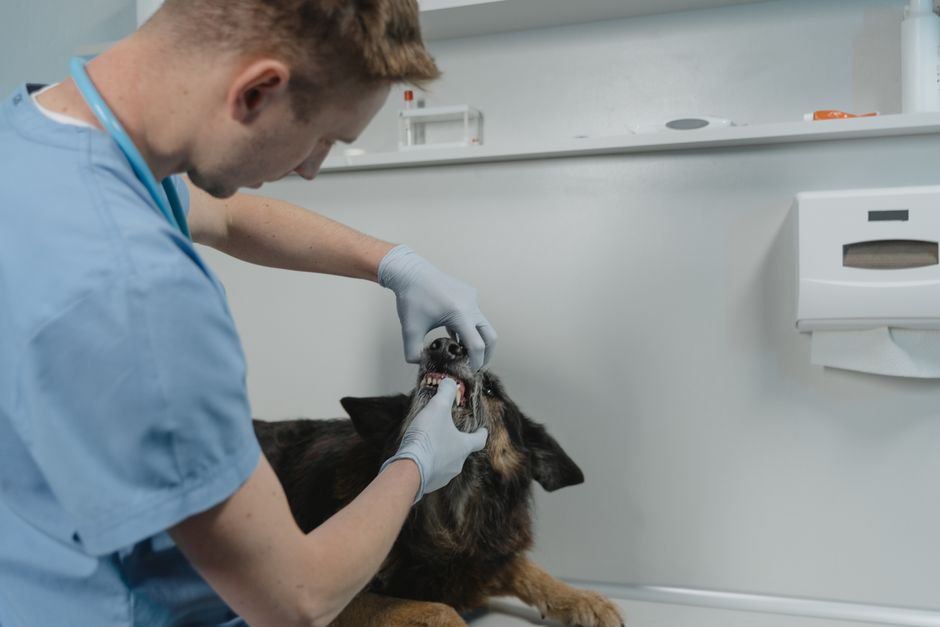
A professional dog teeth cleaning at Riverview Veterinary Hospital is much more than a simple brushing. The process begins with a complete oral examination, often under anesthesia to allow for thorough inspection and cleaning without causing stress or discomfort to your pet. Our veterinarians use specialized instruments to remove plaque and tartar from both above and below the gumline, where harmful bacteria like to hide. We also assess the health of every tooth and the surrounding gums, taking dental radiographs to check for hidden problems such as tooth root abscesses or bone loss. If any severely damaged or infected teeth are found, our veterinary team may recommend pet tooth extractions or other advanced procedures to restore comfort and function. After cleaning, we polish your dog’s teeth to smooth the enamel, helping to slow future plaque buildup. For more information about our approach to comprehensive dog teeth cleaning, you can explore our pet dental cleaning services.
The Importance of Dental Radiographs
Dental radiographs are a valuable tool in veterinary dentistry, allowing us to see beneath the surface of the gums. Many dental issues, such as root infections or bone loss, are not visible without X-rays. By utilizing dental radiography, our team can diagnose and treat problems early, often preventing more serious complications down the road.
Home Care and Prevention: What You Can Do Between Cleanings
While professional dog teeth cleaning is the gold standard for maintaining oral health, your daily care at home plays a vital role in preventing dental disease. Brushing your dog’s teeth regularly is the most effective way to minimize plaque and tartar buildup. Aim for daily brushing if possible, using a pet-safe toothbrush and toothpaste. If your dog is new to tooth brushing, start slowly and offer plenty of praise and treats to make it a positive experience. In addition to brushing, dental chews and toys designed to reduce plaque can help, as can specially formulated dental diets recommended by your veterinarian. Always supervise your dog with new chews or toys to prevent accidental swallowing or injury. Routine checkups at Riverview Veterinary Hospital ensure that any early signs of dental disease are caught and addressed promptly, keeping your pet’s mouth healthy year-round.
When Should You Schedule a Professional Dog Teeth Cleaning?
The right time for a professional dog teeth cleaning depends on your pet’s age, breed, current dental health, and home care routine. Most dogs benefit from their first cleaning by age two or three, with annual or semi-annual cleanings recommended for ongoing maintenance. If you notice bad breath, visible tartar, red or bleeding gums, or changes in eating habits, don’t wait—these are signs that your dog’s mouth needs attention. Delaying treatment can lead to pain, infection, and even tooth loss, so it’s always better to act sooner rather than later. Our veterinarians at Riverview Veterinary Hospital will work with you to develop a dental care plan tailored to your dog’s unique needs.
What to Expect After Your Dog’s Dental Cleaning
After a professional dog teeth cleaning, most dogs recover quickly and return to normal activities within a day. Your veterinarian will provide detailed instructions on post-cleaning care, which may include soft food for a short time if extractions were performed or your dog’s gums are sensitive. Mild grogginess is common for a few hours after anesthesia, but this resolves rapidly. If your dog had extractions or other oral surgery, our veterinary professionals will explain how to monitor the healing process and what signs might warrant a follow-up. By following your veterinarian’s recommendations, you can help your pet recover smoothly and enjoy a healthier, more comfortable mouth.
Why Choose Riverview Veterinary Hospital for Dog Teeth Cleaning in Riverview, FL?
Entrusting your dog’s dental health to Riverview Veterinary Hospital means choosing a team of veterinarians with advanced training, compassionate care, and state-of-the-art equipment. We believe in treating every dog as an individual, customizing our approach based on your pet’s age, health status, and your family’s needs. Whether you’re seeking preventive care or your dog needs advanced dental treatment, our hospital is equipped to handle every aspect of your dog’s oral health. We’re proud to serve the Riverview community and nearby areas, making it easy for local pet owners to access top-tier dog teeth cleaning and veterinary care.
Take the Next Step: Protect Your Dog’s Smile Today
Your dog’s smile is more than just adorable—it’s a window into their overall health. By prioritizing regular dog teeth cleaning, you’re helping to prevent pain, infection, and serious health complications that could affect your best friend’s quality of life. If you’re searching for a trusted "vet near me" for dental care, look no further than Riverview Veterinary Hospital. Our friendly veterinary team is ready to answer your questions, provide guidance on home care, and schedule your dog’s next dental appointment. To get started, request an appointment for veterinary dental services online or call us at (813) 677-3100. You can also visit us in person at 7459 US HWY 301 S, Riverview, FL 33578. Let our veterinary professionals partner with you to keep your dog’s mouth healthy and pain-free for years to come.
This blog is intended for educational purposes only and does not replace professional veterinary care. If you have concerns about your dog’s dental health, schedule an appointment with your veterinarian for a thorough evaluation and personalized recommendations.