Essential Care Tips for Senior Dogs and Cats in Florida
Essential Care Tips for Senior Dogs and Cats in Florida
As our beloved dogs and cats reach their golden years, their needs begin to change—especially here in Riverview, FL, where hot, humid August weather can add extra challenges to senior pet care. At Riverview Veterinary Hospital, we understand that keeping your aging pet comfortable and healthy is a top priority. Whether you are noticing subtle shifts in your dog’s energy or your cat’s appetite is not what it once was, it is natural to have questions about what’s normal and when to seek help. In this guide, we will explore the most important signs of age-related health issues, proven ways to help your senior pet thrive at home, and how regular veterinary care can make all the difference during these later years. If you are looking for compassionate and knowledgeable support right here in Riverview and surrounding communities, our team of veterinarians is here to help you every step of the way.
Recognizing Age-Related Changes in Senior Dogs and Cats
Understanding when your pet is considered “senior” is the first step. Most cats and small dogs are considered seniors by age seven, while larger dogs may reach senior status a bit earlier. As pets age, the changes can be subtle at first. Key symptoms that your dog or cat may be experiencing age-related health issues include slowing down on walks, difficulty jumping or climbing, changes in weight, new lumps or bumps, and increased thirst or urination. Additional signs such as cloudy eyes, persistent bad breath, or changes in appetite should also prompt attention. Some pets may become more vocal, seem confused, or have accidents in the house despite previous good habits. While some of these changes are a natural part of aging, others can signal more serious health concerns that benefit from early intervention.
Why Senior Pets Face Greater Health Risks in Florida’s Climate
Senior dogs and cats are more vulnerable to extreme weather, and Florida’s hot, humid summers can be particularly taxing. As pets age, their ability to regulate body temperature diminishes, making them more susceptible to heat exhaustion and dehydration. Underlying medical conditions such as heart disease, kidney problems, arthritis, and thyroid issues are more common in older pets and can be exacerbated by environmental stress. For instance, arthritis pain may worsen with dampness, while underlying kidney disease may cause a senior cat to become dehydrated more quickly. Even indoor pets are not immune to heat-related risks—poor air circulation, lack of access to cool water, and insufficient shade can all contribute to declining health during the hottest months.
The Importance of Routine Veterinary Care for Senior Pets
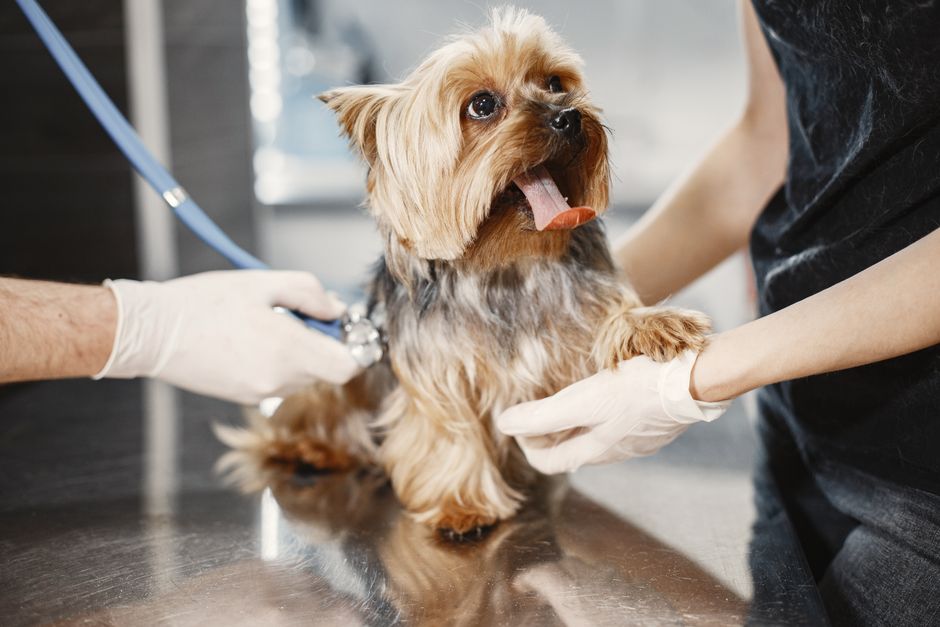
Routine check-ups are the cornerstone of senior pet health, allowing for early detection and management of age-related conditions. During a senior pet examination at Riverview Veterinary Hospital, our veterinarians perform a thorough physical evaluation, review your pet’s medical history, and may recommend diagnostic screenings such as bloodwork, urinalysis, or digital radiographs. These comprehensive exams help uncover hidden issues like dental disease, early organ dysfunction, or subtle pain that your pet may be masking. For many dogs and cats, routine veterinary visits lead to timely adjustments in medication, diet, or exercise routines that can add years of comfort and vitality. To support your pet’s ongoing wellbeing, our hospital offers tailored senior pet care services designed specifically for older dogs and cats.
What to Expect During a Senior Pet Visit
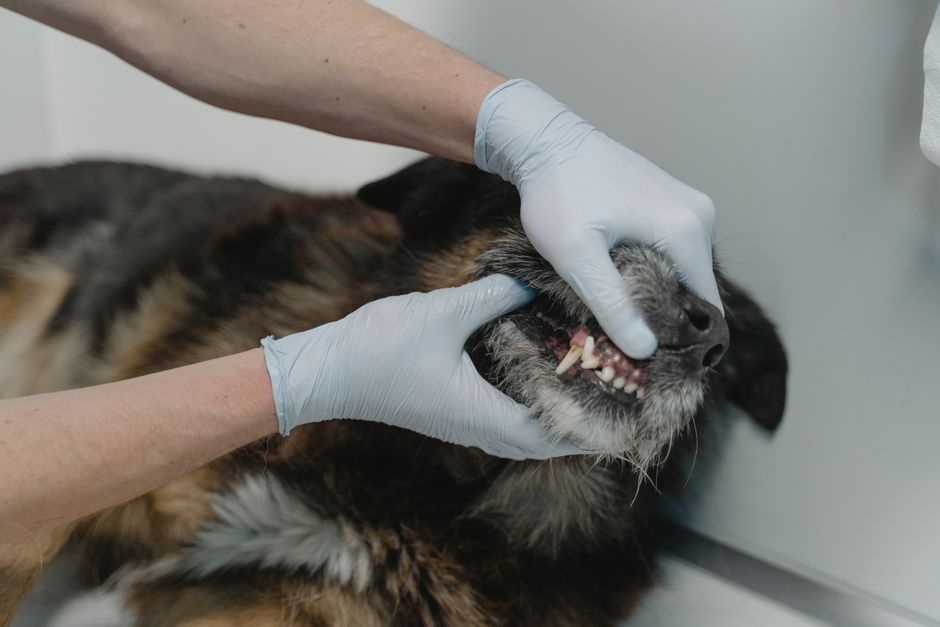
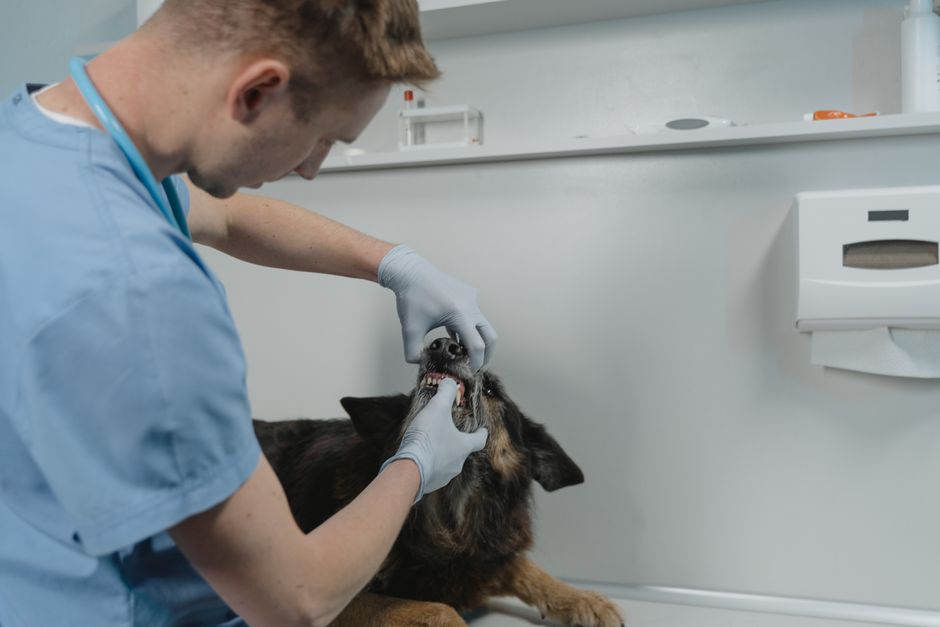
A typical senior wellness appointment includes a full physical examination, assessment of weight and body condition, dental evaluation, and discussion of any changes you have observed at home. Diagnostic testing such as blood panels, urine screening, and blood pressure measurement may be recommended depending on your pet’s age and health history. Our veterinary team also reviews your pet’s current medications, supplements, and lifestyle to develop a personalized care plan. This proactive approach helps identify issues such as early arthritis, heart murmurs, or metabolic changes before they become advanced, giving your pet the best chance at a comfortable life.
At-Home Tips for Supporting Senior Dogs and Cats in Hot Weather
Caring for a senior dog or cat in Florida’s August heat requires a few extra steps to keep them safe and comfortable. Always provide ample fresh, cool water and ensure your pet has access to shaded or air-conditioned spaces throughout the day. For dogs, consider walking early in the morning or later in the evening when temperatures are lower, and avoid hot pavement that can burn sensitive paws. Cats may need help staying cool indoors, so check that their favorite resting spots are away from direct sunlight and that fans or air conditioning are available. Watch for signs of overheating such as excessive panting, drooling, weakness, or restlessness, and bring your pet indoors at the first sign of distress.
Maintaining a regular grooming routine can also help. For example, brushing out loose fur reduces heat retention and prevents matting, which is especially helpful for older pets with mobility issues. Regular nail trims keep your pet steady on slippery floors, decreasing the risk of falls. For pets with arthritis or joint pain, provide soft, supportive bedding and consider ramps or pet stairs to make getting onto the couch or bed easier. Adjusting your pet’s diet to maintain optimal weight is crucial, as even a few extra pounds can increase strain on aging joints and organs. Talk with your veterinarian about specialized senior diets that support kidney health, joint mobility, and healthy digestion.
Managing Common Health Conditions in Senior Pets
Some health problems become more common as pets age, but early detection and management can make a significant difference. Arthritis often presents as stiffness, reluctance to play, or difficulty rising after rest. Dental disease may cause bad breath, drooling, or reluctance to eat hard food. Chronic kidney disease and diabetes are also more prevalent in senior dogs and cats, leading to increased thirst, urination, and changes in appetite or weight.
Treatment options for these conditions typically involve a combination of medication, dietary management, and lifestyle modifications. For arthritis, pain relief may include prescription medications, joint supplements, or therapies such as laser treatment. Dental care is especially important in older pets, so professional cleanings and at-home tooth brushing can help manage oral health. Chronic diseases like kidney disease or diabetes require careful monitoring, medication, and dietary adjustments. Our veterinary team at Riverview Veterinary Hospital is experienced in creating individualized care plans that address these challenges, helping your pet maintain the best possible quality of life.
Preventing Problems Before They Start: Proactive Senior Pet Care
Prevention is always easier than treatment, and for senior dogs and cats, small changes at home can have a big impact. Keep your pet’s living environment clean, comfortable, and free from hazards such as slippery floors or sharp edges. Monitor your pet’s weight and appetite weekly, as subtle changes can be the first sign of a health problem. Consistent, gentle exercise maintains mobility and mental sharpness, while interactive toys and puzzle feeders help combat cognitive decline. Regularly check your pet for new lumps, bumps, or skin changes, and schedule a veterinary evaluation if you notice anything concerning.
Keeping up with routine vaccinations, parasite prevention, and dental care remains important even in the senior years. At-home dental hygiene, such as daily tooth brushing with a pet-safe toothpaste, can help prevent painful infections. During Florida’s humid months, be extra vigilant for fleas, ticks, and mosquitoes, as older pets are more vulnerable to the diseases these pests can carry. If you are unsure about the best preventive care plan for your senior dog or cat, our veterinarians are always happy to provide guidance.
For more information on tailored care for aging pets, visit our senior pet care services page.
When to Schedule a Veterinary Visit for Your Senior Pet
Knowing when to seek veterinary care is crucial for senior dogs and cats. Schedule an appointment if you notice persistent changes in appetite, weight loss or gain, vomiting, diarrhea, increased drinking or urination, coughing, breathing difficulties, or sudden behavioral changes such as disorientation or increased vocalization. Lameness, difficulty rising, or new lumps should also prompt a visit. In Florida’s summer heat, immediate care is warranted if your pet shows signs of heat stroke, including rapid panting, drooling, weakness, collapse, or seizures.
Do not hesitate to contact our veterinary team if you are unsure whether a symptom requires attention. Early intervention can prevent minor issues from becoming major health concerns, especially in senior pets who may not recover as quickly as their younger counterparts. Our hospital in Riverview, FL is dedicated to providing compassionate, expert care for your pet at every stage of life.
Supporting Senior Pets: Compassionate Care at Riverview Veterinary Hospital
Caring for a senior dog or cat in Florida’s unique climate does not have to be overwhelming. By recognizing the common signs of aging, providing thoughtful at-home support, and scheduling regular wellness visits, you can help your pet enjoy a healthy, comfortable life well into their senior years. The team of veterinarians at Riverview Veterinary Hospital is committed to partnering with you, offering personalized advice and advanced care options right here in Riverview, FL.
If you are searching for a compassionate and experienced vet near me, look no further than our trusted team. We encourage you to schedule an appointment by calling (813) 677-3100 or by visiting our senior pet care services page for more information. Together, we can help your senior pet thrive in every season.
This blog is intended for informational purposes only and does not substitute for professional veterinary advice. Always consult your veterinarian for specific concerns about your pet’s health.