How to Keep Pets Calm During Halloween Festivities
How to Keep Pets Calm During Halloween Festivities
Halloween in Riverview brings excitement, costumes, and plenty of spooky fun for families, but it can be a challenging time for your pets. Dogs and cats often struggle with anxiety during Halloween because of unfamiliar costumes, noise from trick-or-treaters, and changes in their usual routines. At Riverview Veterinary Hospital, located at 7459 US HWY 301 S, Riverview, FL 33578, our veterinary professionals understand how important it is for pet owners to keep their furry companions safe and comfortable throughout the season. This blog will guide you through recognizing signs of stress in your pet, understanding why Halloween can be difficult for them, and offering practical tips to help your pet remain calm and secure. We will also discuss when to seek veterinary support and how our team in Riverview can be a resource for you and your pets. If you are looking for ways to reduce your pet's anxiety, consider exploring our fear-free veterinary practice information, which can help you create a more peaceful environment during the holidays.
Recognizing Signs of Stress and Anxiety in Pets During Halloween
It is common for dogs and cats to experience heightened anxiety during Halloween festivities. Pet owners may notice changes in behavior that indicate their pet is feeling overwhelmed. Typical signs of stress in dogs include panting, pacing, whining, excessive barking, shaking, or hiding under furniture. Cats may become withdrawn, hide in closets or under beds, vocalize more than usual, or exhibit changes in litter box habits. Some pets may even try to escape through open doors or windows when frightened by loud noises or costumed visitors. Other signs such as dilated pupils, flattened ears, or refusal to eat can also be indicators that your pet is not coping well with the commotion of Halloween night. Recognizing these symptoms early allows you to take steps to help your pet feel more secure.
Why Halloween Can Be Stressful for Dogs and Cats
Understanding the root causes of Halloween anxiety helps pet owners prepare and respond effectively. For many pets, the influx of strangers at the door, sudden loud noises, and the presence of people in unfamiliar costumes are all sources of stress. Dogs with a protective nature may feel compelled to bark or guard the home, while cats may become startled by the constant activity. Additionally, unfamiliar smells from costumes, decorations, and candy can be unsettling. The disruption of daily routines, such as altered walk times or skipped play sessions, can further contribute to your pet's discomfort. Pets may also be exposed to potentially hazardous items, such as chocolate or candy wrappers, which add another layer of concern for their wellbeing. When preparing for Halloween, it is essential to consider these stressors and plan ahead to minimize their impact on your dog or cat.
How to Help Your Pet Stay Calm: Professional and Home Management Strategies
Veterinary Support for Anxious Pets
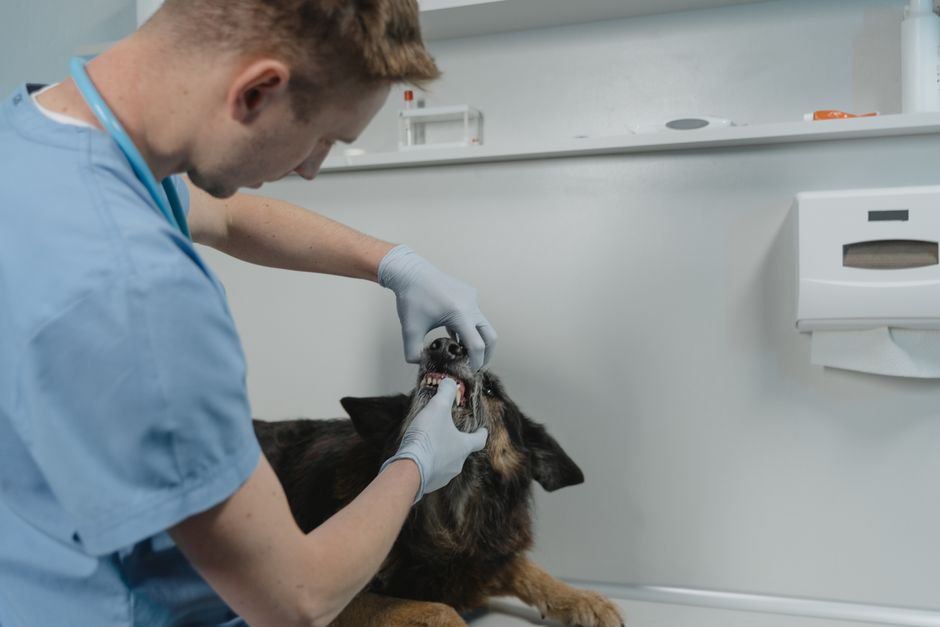
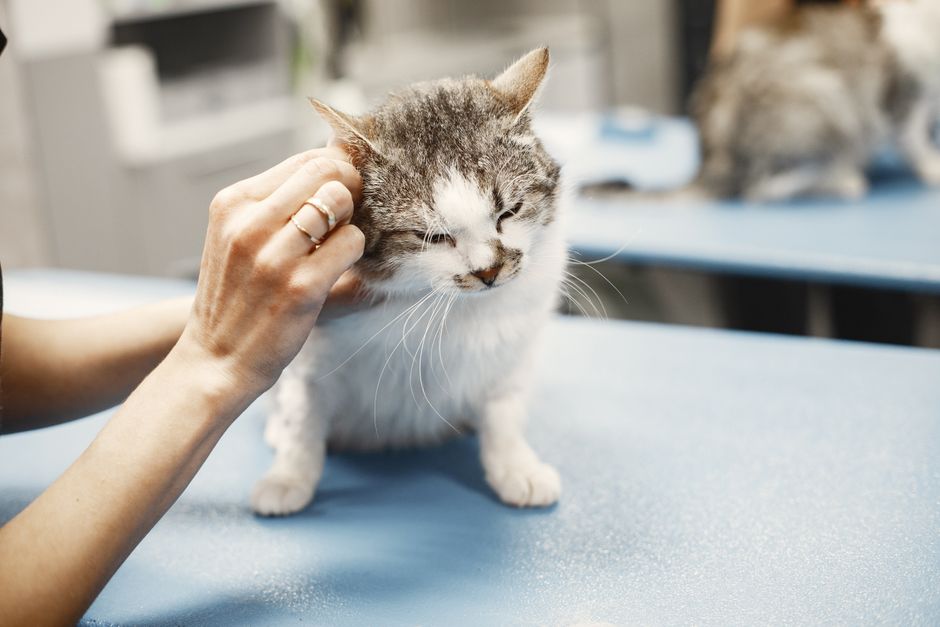
If your dog or cat has a history of anxiety, or you anticipate that Halloween will be particularly stressful, scheduling a veterinary consultation can be a proactive step. Our team at Riverview Veterinary Hospital can discuss options like pheromone diffusers, anti-anxiety supplements, or prescription medications when necessary. We can also provide guidance on behavioral techniques using positive reinforcement to create a calmer environment. For pets with severe anxiety, our veterinarians may recommend a tailored plan that includes desensitization exercises or integrative therapies such as acupuncture or laser therapy. Every pet is unique, and our goal is to work with you to develop a strategy that best supports your pet's emotional wellbeing.
Practical Home Tips to Keep Pets Comfortable
There are many ways to help your pet feel more secure during Halloween, starting with creating a safe space for them away from the front door and the flow of trick-or-treaters. Designate a quiet room in your home where your pet can retreat, equipped with their favorite bed, toys, and familiar scents. Playing calming music or white noise can help mask the sounds of doorbells or excited children. For dogs, a long walk or vigorous play session before festivities begin can help expend excess energy and promote relaxation. For both dogs and cats, maintaining your usual feeding and play routines as much as possible is reassuring. If your pet is comfortable wearing clothing, a snug-fitting anxiety vest may provide an added sense of security. Remember to keep all candy and decorations out of reach, as many treats are toxic to pets and small decorations can be choking hazards. Keeping windows and doors securely closed helps prevent escapes if your pet becomes startled.
Preventing Common Halloween Hazards for Pets
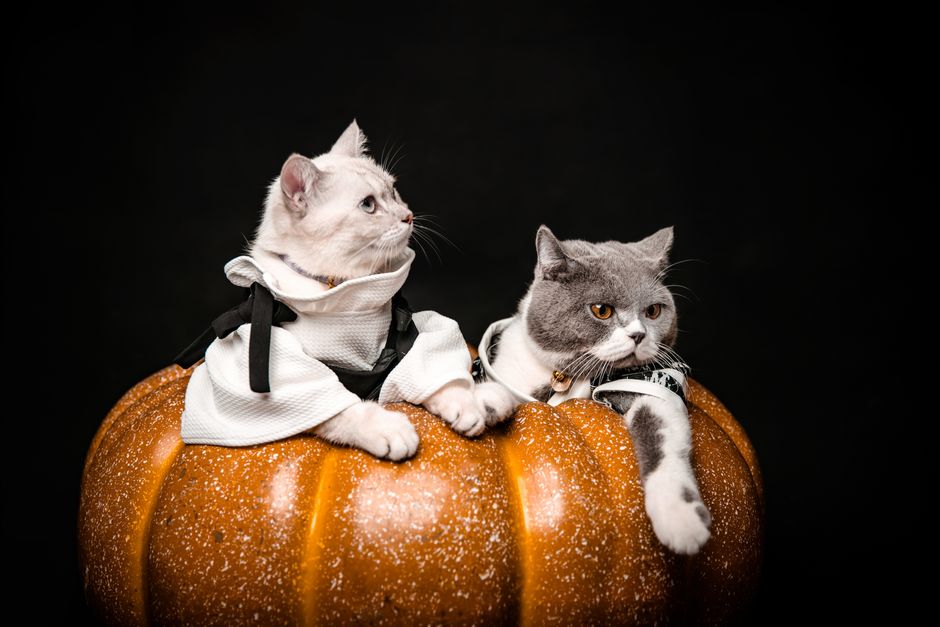
Halloween brings unique risks for dogs and cats beyond stress and anxiety. Chocolate and sugar-free candies containing xylitol are highly toxic to pets and should be kept far out of reach. Decorative items such as lit candles, glow sticks, and electrical cords can be dangerous if chewed or knocked over. Costumes, while fun for photos, can pose choking or entanglement hazards if not properly fitted and monitored. If you choose to dress up your pet, ensure the costume does not restrict movement, breathing, or sight, and always supervise your pet while they're in costume. Remind children and guests not to feed treats to your pets and to approach pets calmly and quietly if they want to interact. Taking these precautions will help keep your Halloween celebrations both fun and safe for everyone in your household.
When to Seek Veterinary Care for Stress or Emergencies
While most pets will recover from Halloween excitement with a little extra care, some situations require immediate veterinary attention. If your pet consumes chocolate, candy with xylitol, or any unfamiliar substance, contact our hospital right away. Signs of poisoning include vomiting, diarrhea, excessive drooling, rapid heartbeat, or seizures. Pets that become injured or escape the home during festivities should also be brought in for an examination. If your dog or cat shows persistent signs of anxiety, such as refusing to eat or drink, excessive lethargy, or self-injury, it is time to schedule an appointment with our veterinary professionals. Our team at Riverview Veterinary Hospital is here to help you determine the best course of action for your pet's health and safety.
Creating a Fear-Free Halloween Experience for Your Pet
At Riverview Veterinary Hospital, we believe in providing compassionate, comprehensive care for your pets year-round. Halloween can be a fun and memorable holiday for families in Riverview and surrounding communities, and with a little preparation, it can be a positive experience for your pets as well. Building a relationship with a veterinary team that prioritizes your pet's emotional wellbeing can make a significant difference in how they handle stressful events. If you are seeking additional ways to reduce your pet's anxiety, explore our fear-free veterinary practice information for more resources.
Your Local Resource for Pet Care in Riverview
Keeping your pets calm and safe during Halloween festivities requires planning, patience, and a little extra attention. By recognizing signs of stress, understanding the causes, and taking proactive steps at home, you can help your dog or cat feel secure even during the busiest holidays. If you have concerns about your pet's anxiety, or if you need advice on creating a fear-free environment, our veterinarians at Riverview Veterinary Hospital are here to support you. To schedule an appointment, call us at (813) 677-3100 or visit us at 7459 US HWY 301 S, Riverview, FL 33578. If you are searching for a trusted vet near me, our team provides high-quality care for dogs and cats in Riverview and nearby areas. Together, we can ensure your pets have a safe and stress-free Halloween season.
This blog is intended for informational purposes only and should not be considered a substitute for professional veterinary advice. If your pet is experiencing an emergency or you have concerns about their health, contact your veterinarian immediately.