How a Dog Allergy Vet Can Help Your Itchy Pet

How a Dog Allergy Vet Can Help Your Itchy Pet
If your dog is constantly scratching, biting at their skin, or showing signs of discomfort, you are not alone. Many pet owners in Riverview, FL and surrounding communities face the challenge of managing dog allergies, especially with the arrival of spring pollen and seasonal irritants. At Riverview Veterinary Hospital, we understand how frustrating it can be to watch your pet struggle with itchy skin or chronic discomfort. Fortunately, our experienced dog allergy vet team is here to help diagnose the source of your dog’s allergies and create a plan to bring them relief. In this guide, we will explore the signs of dog allergies, explain why they happen, discuss the importance of professional veterinary diagnosis, and share what you can do at home to keep your pup comfortable. If you are searching for answers about your itchy dog, you are in the right place.
Recognizing Signs That Your Dog Needs a Dog Allergy Vet
It is not always easy to tell when your dog’s itching is just a minor nuisance or a sign of a more serious allergy. Dogs naturally scratch and lick, but when these behaviors become excessive, it may signal an underlying problem. Key symptoms that suggest your dog could benefit from seeing a dog allergy vet include frequent scratching, licking, or chewing at their paws, legs, or belly. You might also notice red, inflamed skin, hair loss, or small sores. In some dogs, allergies can lead to recurring ear infections or a persistent, musty odor. Additionally, sneezing, watery eyes, and frequent head shaking are sometimes connected to environmental allergies. It is important to pay attention to these changes, especially if they worsen during certain times of year, after trips outside, or when you introduce new foods or products into your home.
Changes in your dog’s behavior can also offer clues. If your pet seems more irritable, restless, or is having trouble sleeping, allergies may be the culprit. When these signs persist for more than a few days, or if your dog’s skin becomes raw or bleeds, it is time to seek the support of a veterinary professional. Early intervention can help prevent further discomfort and complications.
Understanding Why Dogs Develop Allergies
Dog allergies are surprisingly common, and they can develop at any age. The causes of allergies in dogs are varied. Some pets are sensitive to environmental allergens such as pollen, grass, dust mites, or mold. Others may react to certain foods, including common ingredients like beef, chicken, dairy, or grains. Flea allergy dermatitis is another frequent culprit, where even a single flea bite can trigger an intense reaction in sensitive dogs.
Genetics also play a role; certain breeds are more prone to allergies due to inherited traits. The warm, humid climate in Riverview can make environmental allergies more prominent, as pollen and mold counts tend to rise during spring and summer. Additionally, household products like cleaning agents, air fresheners, or even certain types of bedding can irritate your dog’s skin. Understanding the wide range of potential triggers is the first step in helping your dog find relief.
When allergies are suspected, it is essential to pinpoint the specific cause, as this will guide treatment. In some cases, dogs may have more than one type of allergy, making professional diagnosis even more important. Our dog allergy vet team at Riverview Veterinary Hospital can help identify these triggers through a careful history, physical examination, and, when appropriate, targeted allergy testing.
How a Dog Allergy Vet Diagnoses and Treats Allergies
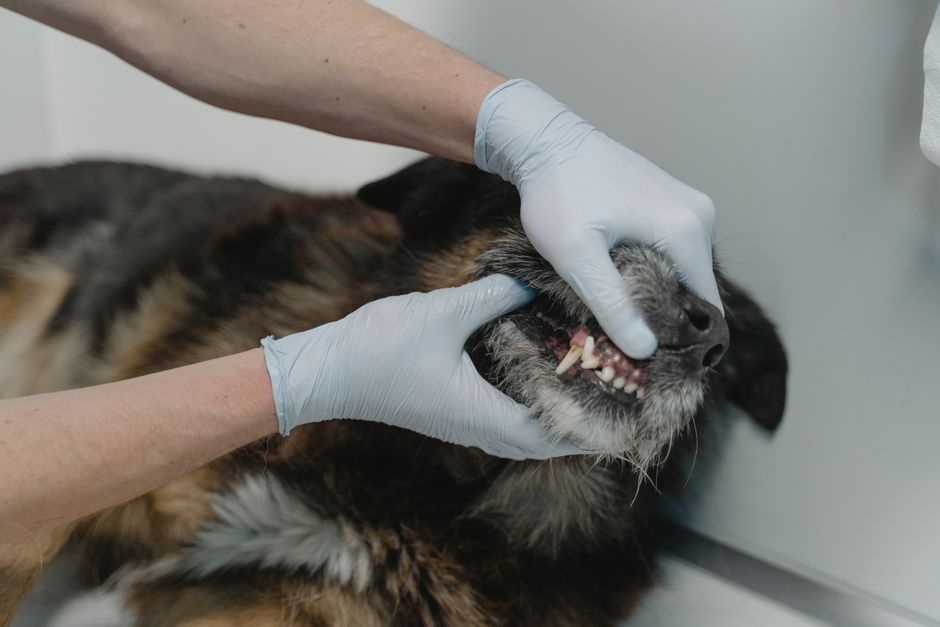
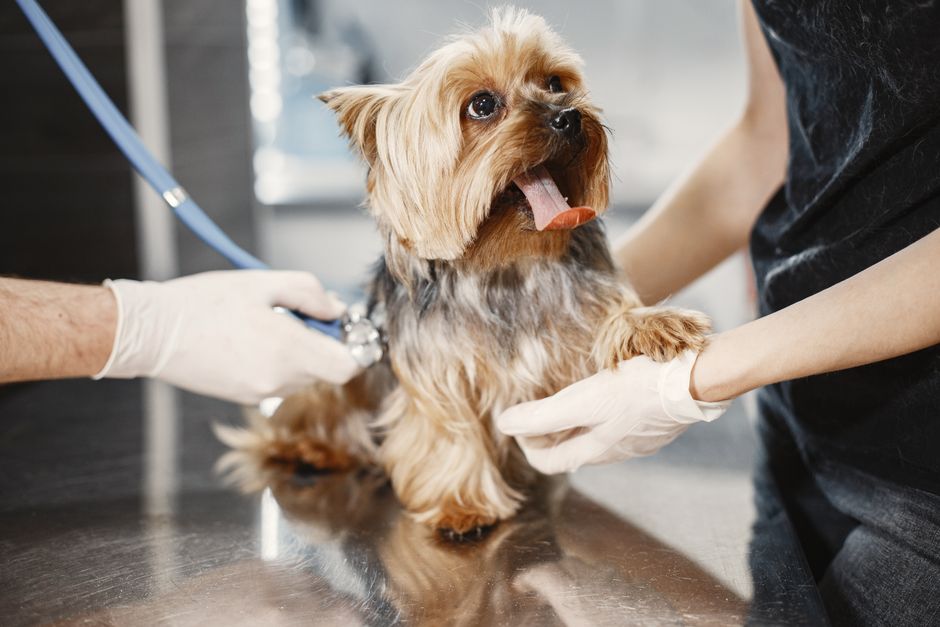
A thorough diagnostic process is key to successfully managing dog allergies. When you bring your pet to Riverview Veterinary Hospital, our veterinarians will start with a comprehensive examination and a discussion of your dog’s history. We will ask about their diet, environment, recent travel, and the timing of symptoms. This helps us narrow down the possible causes.
In many cases, our next step involves specialized testing. Skin tests, blood tests, and elimination diet trials are commonly used to determine whether your dog’s allergies are caused by environmental factors, food, or parasites. For many pets, allergy testing provides valuable insight into specific triggers and allows us to tailor a treatment plan that addresses your dog’s unique needs. You can learn more about our Allergy Testing & Dermatology services and how they can help your pet by visiting our website.
Treatment for dog allergies usually involves several components. Medications such as antihistamines, corticosteroids, or immune-modulating drugs can help reduce itching and inflammation. In some cases, your veterinarian may recommend allergy shots (immunotherapy) to help your dog build tolerance to specific allergens. For dogs with food allergies, a prescription diet or elimination diet may be part of the plan. Flea prevention is critical for dogs with flea allergies, as even minimal exposure can set off a reaction. Topical treatments, medicated shampoos, and soothing sprays may also be used to support healing and reduce discomfort.
Your dog allergy vet will work closely with you to monitor your pet’s response to treatment and make adjustments as needed. The goal is not only to relieve your dog’s symptoms but also to improve their overall quality of life.
What to Expect During Your Visit
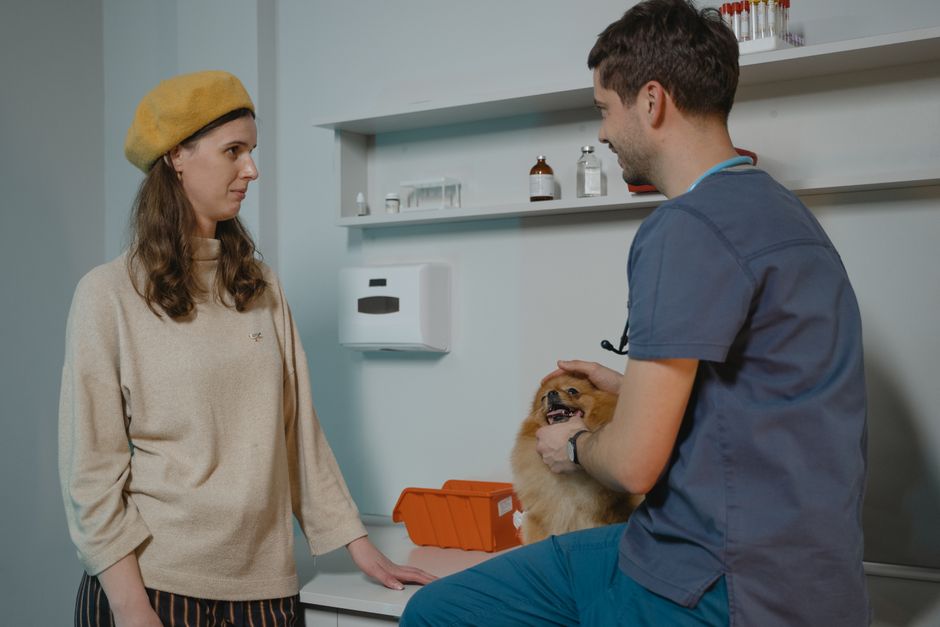
When you schedule an appointment at Riverview Veterinary Hospital, our veterinary professionals will take the time to listen to your concerns and provide a thorough assessment. We believe in partnering with pet owners to develop realistic, effective treatment plans. You will receive clear guidance on how to administer medications, manage your dog’s environment, and recognize early signs of flare-ups. Follow-up visits may be recommended to track progress and ensure your dog is responding well to their customized care plan.
Preventing and Managing Allergies at Home
While professional diagnosis and treatment are essential, there is a lot you can do at home to help manage your dog’s allergies and prevent future flare-ups. Regular bathing with a veterinarian-recommended shampoo can help remove allergens from your dog’s coat and soothe irritated skin. Wiping your pet’s paws after walks and keeping their bedding clean are simple steps that reduce exposure to environmental triggers.
Diet plays a significant role for dogs with food sensitivities. Feeding a balanced, hypoallergenic diet as recommended by your veterinarian can help control symptoms and prevent reactions. It is important to avoid giving table scraps or introducing new foods without consulting your dog allergy vet, as even small changes can set off symptoms in sensitive dogs.
For flea allergy dermatitis, staying current on year-round flea prevention is crucial. Talk to your veterinary team about the best products for your dog, especially if you live in an area where fleas are active year-round. Additionally, maintaining a clean home environment by vacuuming regularly and washing your pet’s bedding can help minimize allergens like dust mites and mold.
If your dog is prescribed medications or topical treatments, administering them as directed is vital for success. Keep an eye on your pet for any changes in their skin, coat, or behavior, and report concerns to your veterinarian promptly. Consistency and open communication with your veterinary team make a big difference in managing allergies effectively.
When to Seek Help from a Dog Allergy Vet
Knowing when to seek professional help is important for your dog’s health and comfort. If your dog is experiencing persistent itching, redness, hair loss, or skin infections that do not improve with basic home care, it is time to schedule an appointment with a dog allergy vet. Sudden changes in your dog’s skin or behavior, such as swelling, difficulty breathing, or rapid onset of hives, require immediate veterinary attention.
Repeated ear infections, chronic paw licking, and ongoing discomfort are also signs that more advanced care is needed. The veterinary professionals at Riverview Veterinary Hospital are equipped with the expertise and diagnostic tools to get to the root of your dog’s allergies and provide lasting solutions. Early intervention not only relieves your pet’s symptoms but also helps prevent complications like secondary infections or long-term skin damage.
If you are searching for a “vet near me” who understands the challenges of managing pet allergies in Riverview, FL, our team is here to support you with compassion and expertise.
Take the First Step Toward Relief for Your Itchy Pet
Living with a chronically itchy or uncomfortable dog can be stressful for both you and your pet. The good news is that help is available. At Riverview Veterinary Hospital, our dog allergy vet team is committed to providing personalized, effective care for dogs suffering from allergies in Riverview and surrounding communities. From advanced diagnostic testing to tailored treatment plans and ongoing support, we will work with you every step of the way to help your pet feel their best.
If your dog is showing signs of allergies or you have questions about their skin, ears, or overall comfort, do not wait. Schedule an appointment with our caring veterinary professionals today by calling (813) 677-3100. You can also learn more about our Allergy Testing & Dermatology services and how we can help your pet thrive this season. For reliable answers and compassionate care from a trusted dog allergy vet, look no further than Riverview Veterinary Hospital at 7459 US HWY 301 S, Riverview, FL 33578.
Remember, the sooner you seek help, the faster your dog can get back to enjoying life without the constant itch. Reach out to our team today and discover the difference a dedicated dog allergy vet can make for your best friend.