How to Keep Your Dog Safe from Heatstroke in Florida
How to Keep Your Dog Safe from Heatstroke in Florida
If you’re a dog owner in Riverview, you know just how intense the Florida heat can be—especially during late summer and early fall. High temperatures and humidity levels can quickly turn a fun afternoon walk or backyard play session into a dangerous situation for your pet. At Riverview Veterinary Hospital, located at 7459 US HWY 301 S, Riverview, FL 33578, we understand your concerns about heatstroke and overheating in dogs. This guide will help you recognize the warning signs of heatstroke, understand why it happens, and give you practical advice on how to keep your dog safe during Florida’s hottest months. We’ll also explain when it’s essential to seek veterinary care and how our team of veterinarians can support your pet’s health all year round.
Recognizing the Signs of Heatstroke in Dogs
Heatstroke is a life-threatening emergency for dogs, but it can be hard to spot in the early stages. The symptoms often start subtly and can progress rapidly, so knowing what to watch for is vital. Common signs of heatstroke in dogs include excessive panting, drooling, and restlessness. You may also notice your dog struggling to breathe, appearing weak or uncoordinated, or even vomiting. As the condition worsens, symptoms can escalate to diarrhea, bright red or pale gums, confusion, or collapse. In severe cases, dogs can have seizures or lose consciousness. If your dog is acting out of character or seems unusually tired after being outside in the heat, it’s always best to err on the side of caution and consult your veterinarian.
Heatstroke can look different depending on your dog’s breed, age, and overall health. Brachycephalic breeds like Bulldogs and Pugs, dogs with thick coats, older pets, and those with pre-existing medical conditions are especially vulnerable. Even young, healthy dogs can develop heatstroke quickly if they are left outside too long or exercised during peak temperatures.
Understanding the Causes: Why Dogs Overheat in Florida
Florida’s climate poses unique challenges for dog owners. From late spring through early fall, high humidity makes it difficult for dogs to cool themselves efficiently. Unlike humans, dogs cannot sweat through their skin; they rely mainly on panting to regulate their body temperature. When the air is hot and humid, panting becomes less effective, and their body temperature can rise dangerously fast.
Several factors increase the risk of heatstroke. Leaving your dog in a parked car, even for just a few minutes, is extremely dangerous. Cars can become ovens in Florida’s sun, and temperatures inside can soar to lethal levels in moments. Outdoor activities during the heat of the day, such as running, walking, or playing fetch, also put your dog at risk. Lack of shade and water, as well as underlying medical conditions like obesity or heart disease, can make it even harder for your dog to stay cool.
It’s also important to remember that heatstroke doesn’t only happen during outdoor activities. Overly warm indoor environments, such as garages or sunrooms without adequate ventilation, can also be hazardous for pets.
What to Do If You Suspect Heatstroke: Immediate Steps and Professional Care
If you notice any signs of heatstroke in your dog, immediate action is crucial. Move your dog to a shaded, cool area right away and encourage them to drink small amounts of water. You can use cool (not cold) water to gently wet their body, especially the paws, belly, and armpits. A fan can help increase evaporation and enhance cooling, but avoid using ice or extremely cold water, as this can cause blood vessels to constrict and slow the cooling process.
While these first steps are important, heatstroke is always a medical emergency. Dogs can develop organ damage or die quickly if their temperature is not brought down in a controlled manner. Do not wait to see if your dog recovers on their own. Call Riverview Veterinary Hospital at (813) 677-3100 or your nearest animal hospital for guidance as soon as possible. Our veterinary team is trained to provide advanced care, such as intravenous fluids, oxygen therapy, and monitoring for complications like kidney failure or clotting disorders.
If your dog is not breathing, collapses, or has a seizure, seek emergency veterinary care immediately. The sooner your dog is treated, the better their chances for a full recovery.
Preventing Heatstroke: Keeping Your Dog Safe at Home and Outdoors
Preventing heatstroke in dogs is all about proactive care and smart planning, especially during Florida’s hottest months. Schedule walks and playtime during the early morning or late evening when temperatures are cooler. Always provide access to fresh, cool water and make sure your dog has plenty of shaded areas if they are outside. On especially hot or humid days, keep your dog indoors with air conditioning when possible.
Never leave your dog in a parked car, not even for a quick errand. Even with the windows cracked, temperatures rise so quickly that it can be deadly. If your dog enjoys outdoor activities, consider using cooling vests or mats designed for pets, and take frequent breaks to rest and hydrate. Watch for pavement or sand that is too hot for your dog’s paws; if it’s uncomfortable for your bare feet, it’s too hot for them as well.
For dogs with thick fur, regular grooming and brushing can help keep them comfortable, but avoid shaving their coat too short, as it can actually reduce their protection from the sun. If your dog is at higher risk due to age, breed, or medical issues, be even more cautious during periods of high heat and humidity.
The Role of Preventive Veterinary Care in Heatstroke Risk
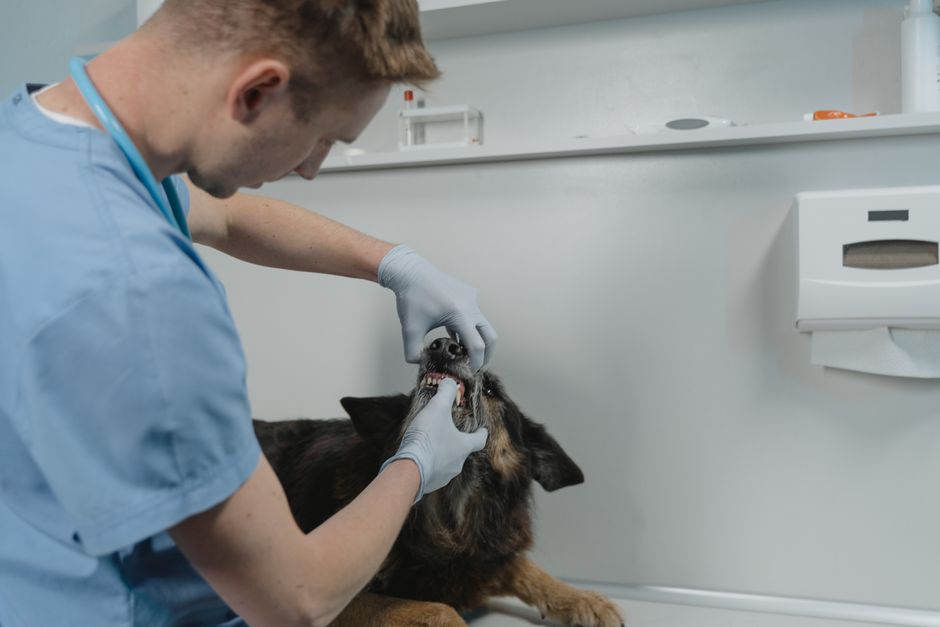
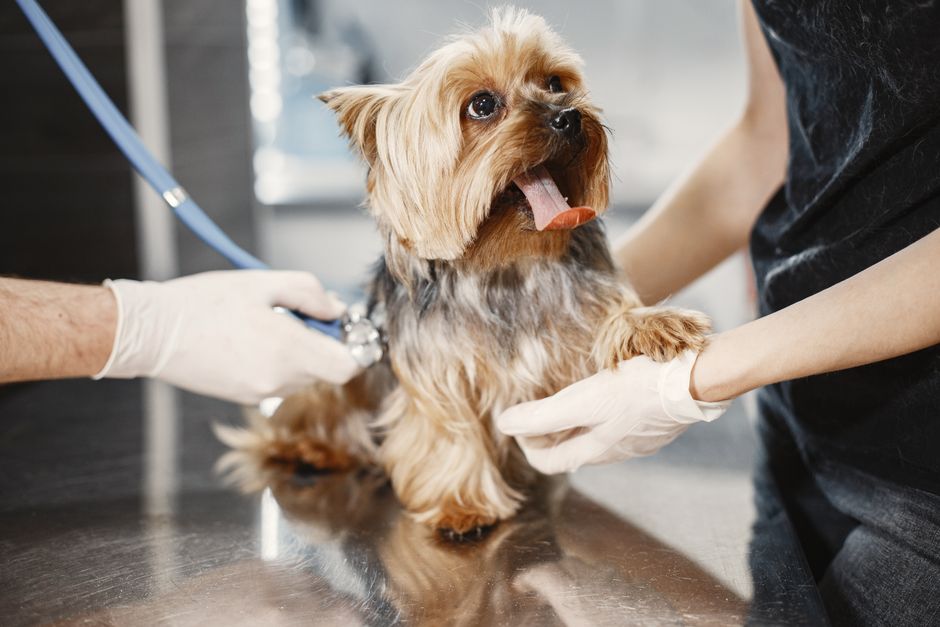
Routine veterinary visits play a key role in protecting your dog from heat-related illnesses. During a pet examination or wellness exam, our team can assess your dog’s overall health, discuss their risk factors, and provide personalized advice on heat safety. This is especially important for senior dogs, brachycephalic breeds, and pets with chronic health issues.
Our veterinarians can also help you recognize subtle changes in your dog’s behavior or health that may signal an increased risk for heatstroke. Discussing your dog’s activity level, environment, and daily routine during a wellness visit allows us to tailor recommendations to your pet’s unique needs. Preventive care also gives us a chance to update vaccinations, check for parasites, and address any concerns that could impact your dog’s ability to stay healthy in the Florida climate.
When to Seek Veterinary Care: Don’t Wait with Suspected Heatstroke
If you think your dog might be developing heatstroke, time is of the essence. Immediate veterinary care is always warranted if your dog is showing signs such as weakness, confusion, vomiting, collapse, or seizures. Even milder symptoms like heavy panting, drooling, or lethargy after time outdoors should prompt a call to your veterinarian for guidance.
At Riverview Veterinary Hospital, we encourage you to trust your instincts—if something seems off with your dog during hot weather, we are here to help. Early intervention can make a dramatic difference in your dog’s outcome. If you are unsure whether your dog needs to be seen, our veterinary team can help you decide on the best course of action.
Keeping Your Dog Safe: Local Support for Heatstroke Prevention
Florida’s heat is no joke, but with the right knowledge and preparation, you can keep your dog safe, happy, and healthy all year long. Stay vigilant during outdoor activities, provide ample shade and water, and never leave your dog unattended in a vehicle. Regular wellness visits with our veterinary team at Riverview Veterinary Hospital are a key part of your heatstroke prevention strategy. Our experienced veterinarians are dedicated to supporting the health of dogs and cats in Riverview and surrounding communities.
If you need guidance on your dog’s heat safety, have questions about symptoms, or want to schedule a comprehensive pet exam, we invite you to call us at (813) 677-3100. When you search for a veterinarian near me who truly understands the challenges of Florida’s climate, look no further than our compassionate team. Your dog’s well-being is always our top priority—let us partner with you to keep your pet safe through every sunny season.
If you believe your dog may be experiencing heatstroke, contact a veterinarian immediately. This article is intended for educational purposes only and does not replace professional veterinary advice.