How to Spot Digestive Problems in Dogs and Cats
How to Spot Digestive Problems in Dogs and Cats
Digestive issues can be a source of worry for any pet parent. When your dog or cat suddenly starts vomiting, develops diarrhea, or loses interest in food, it’s natural to feel concerned about their wellbeing. At Riverview Veterinary Hospital, located at 7459 US HWY 301 S, Riverview, FL 33578, we understand the anxiety that comes with seeing your beloved companion feeling unwell. Digestive problems in dogs and cats can range from mild, short-lived episodes to more serious chronic conditions, making it essential to recognize the early warning signs and know when to seek professional help.
In this article, you’ll learn how to identify common symptoms of digestive distress, understand potential causes, and discover how our veterinary professionals can help your pet recover. We will also discuss when at-home care is appropriate and when a comprehensive pet exam is necessary. If you’re searching for answers about digestive problems in dogs and cats, or looking for quality veterinary services in Riverview, you’ll find practical advice and trusted information right here.
Whether you’re dealing with occasional pet vomiting and diarrhea or ongoing stomach issues, our team at Riverview Veterinary Hospital is here to support you with the highest standard of care. If you notice any concerning symptoms, don’t hesitate to schedule an appointment so we can help your pet feel their best.
Recognizing Digestive Problems in Dogs and Cats
Digestive problems in dogs and cats are some of the most common reasons for veterinary visits. While an isolated upset stomach isn’t always a cause for alarm, knowing the signs of more serious issues can make a real difference in your pet’s health.
Common Symptoms of Digestive Upset
Key symptoms of digestive problems include vomiting, diarrhea, and loss of appetite. You may also notice your pet has abdominal discomfort, is straining to defecate, or has blood present in their stool or vomit. Other signs to watch for are excessive drooling, frequent swallowing, flatulence, or changes in weight. Additionally, some pets become lethargic, develop a dull coat, or seem withdrawn when their digestive system is out of balance.
It’s important to pay attention if your pet’s symptoms persist for more than a day, worsen over time, or occur alongside other changes in behavior. For example, a dog that refuses food for more than a day or a cat that is repeatedly vomiting should always be evaluated by a veterinarian.
Subtle Signs Pet Owners Might Miss
In some cases, digestive problems in dogs and cats may present as subtle changes. You might notice your pet avoiding their food bowl, eating grass, or licking their lips frequently. Cats are especially skilled at hiding discomfort, so any change in litter box habits or grooming routines can be an early warning sign. The sooner you notice these subtle cues, the sooner your pet can get the help they need.
If you’re unsure whether your pet’s symptoms point to a digestive issue, a wellness examination by our veterinary team can provide clarity and peace of mind. Early detection is key to managing problems before they become more serious.
Causes of Digestive Problems in Dogs and Cats
The digestive tract is a complex system, and a variety of factors can contribute to stomach upset or more serious gastrointestinal diseases. Understanding what might be causing your pet’s symptoms can help you prevent future problems and recognize when professional intervention is needed.
Dietary Indiscretion and Sudden Diet Changes
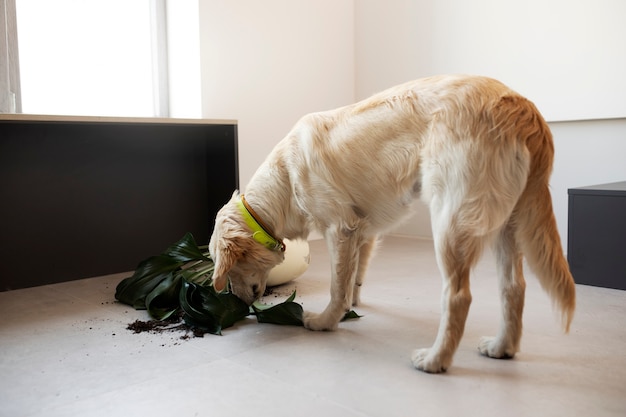
Among the most frequent causes of pet vomiting and diarrhea are eating inappropriate items or sudden changes in diet. Dogs, in particular, may eat garbage, table scraps, or foreign objects, which can irritate their stomach or even cause blockages. Cats may develop digestive upset after consuming plants, string, or spoiled food. Introducing a new food too quickly can also lead to loose stools or vomiting in both dogs and cats.
Food Allergies and Intolerances
Some pets have sensitivities to specific ingredients in their diet, such as certain proteins, grains, or additives. Food allergies often present as chronic digestive issues, including intermittent vomiting, soft stools, or flatulence. Skin problems may also occur in conjunction with gastrointestinal symptoms, which is why allergy testing and dermatology services can be valuable for pets with ongoing issues. If you suspect a food allergy might be at play, consider discussing allergy testing and dermatology services for pets with our team.
Infections and Parasites
Digestive problems can be triggered by viral, bacterial, or parasitic infections. Common culprits include parvovirus, salmonella, giardia, and roundworms. These infections are often accompanied by more severe symptoms, such as bloody diarrhea, persistent vomiting, or fever. Puppies, kittens, and senior pets are especially vulnerable to complications from gastrointestinal infections.
Chronic Diseases and Other Causes
Certain chronic diseases, such as inflammatory bowel disease, pancreatitis, liver dysfunction, or kidney disease, can also cause long-term digestive problems in dogs and cats. Other factors, like stress, medication side effects, or even cancer, may contribute to ongoing digestive difficulties. Because the causes can be complex, a thorough evaluation by a veterinarian is the best way to determine the root of your pet’s issues.
Treatment and Management at Riverview Veterinary Hospital
When digestive problems in dogs and cats arise, prompt veterinary attention ensures the best outcome. At Riverview Veterinary Hospital, our experienced veterinarians use advanced diagnostics and a personalized approach to address every pet’s unique needs.
Diagnostic Approaches
Our team may begin with a detailed history and physical examination, asking about your pet’s diet, environment, and any recent changes. Diagnostic tests often play a crucial role in determining the cause of digestive distress. These may include bloodwork, fecal analysis, X-rays, or ultrasound imaging. If your pet’s symptoms suggest a more complex or chronic issue, our pet diagnostic laboratory services in Riverview provide comprehensive testing right on site.
Medical and Supportive Treatments
Treatment approaches depend on the underlying cause. For mild cases, supportive care such as a bland diet, fluids, and rest may be all that’s needed. When infections or parasites are identified, specific medications or deworming protocols are prescribed. Pets with chronic digestive conditions may require long-term dietary management or medication to control inflammation. In more severe cases, hospitalization and intravenous fluid therapy may be necessary to stabilize your pet.
Our veterinary professionals will work closely with you to develop a treatment plan tailored to your pet’s condition and lifestyle. We strive to provide clear communication and ongoing support throughout your pet’s recovery.
Home Care and Prevention Strategies
Many digestive problems in dogs and cats can be prevented with careful management and a proactive approach to wellness. Taking steps at home can help minimize the risk of future stomach issues.
Diet and Environmental Management
Introduce any new food gradually over several days to prevent stomach upset. Avoid giving table scraps or allowing your pet access to garbage, plants, or other non-food items. For pets with known food sensitivities, sticking to a veterinary-recommended diet can make a significant difference. Regularly cleaning food and water dishes, as well as keeping your pet’s living space tidy, helps reduce the risk of infection and contamination.
Routine Veterinary Care
Scheduling regular wellness exams is key to catching early signs of digestive problems before they escalate. Preventative care, including parasite control and routine screening, is essential for maintaining your pet’s digestive health. Our veterinary team offers comprehensive pet exams and preventive care programs in Riverview, helping keep your companion healthy year-round.
Monitoring Your Pet
Keep an eye on your pet’s eating and bathroom habits, especially during periods of stress or transition. If you notice any changes, document them and share this information with your veterinarian. Early intervention can often prevent minor digestive issues from turning into major health concerns.
When to Seek Veterinary Care
Knowing when to call your veterinarian is crucial for your pet’s wellbeing. While some mild stomach upsets resolve on their own, certain symptoms require immediate professional attention.
Warning Signs That Warrant a Veterinary Visit
Contact our veterinary team if your pet is experiencing persistent vomiting or diarrhea, refuses food or water for more than 24 hours, or shows signs of dehydration such as dry gums or sunken eyes. Other red flags include blood in the stool or vomit, severe abdominal pain, or sudden weight loss. If your pet is very young, elderly, or has a pre-existing health condition, don’t wait to seek help, as they are at higher risk for complications.
The Importance of Timely Intervention
Prompt veterinary care can make a significant difference in recovery outcomes for digestive problems in dogs and cats. If you’re unsure whether your pet’s symptoms require a visit, it’s always safer to err on the side of caution. Our veterinarians are here to answer your questions, perform necessary diagnostics, and provide the right treatment for your companion.
Supporting Your Pet’s Digestive Health in Riverview
Digestive problems in dogs and cats can be stressful for both pets and their owners, but you don’t have to face these challenges alone. The veterinary professionals at Riverview Veterinary Hospital are committed to delivering compassionate, high-quality care to every patient in Riverview and surrounding communities. Whether you need help with an acute episode of pet vomiting and diarrhea or are seeking ongoing support for a chronic digestive condition, we’re here to guide you every step of the way.
If you notice any signs of digestive distress, don’t wait to get help. Schedule an appointment with our veterinary team today by calling (813) 677-3100, or visit our hospital at 7459 US HWY 301 S, Riverview, FL 33578. For pet owners searching for a "vet near me" or expert advice on pet diagnostic laboratory services in Riverview, we offer the personalized care and advanced resources your pet deserves.
To learn more about our diagnostic capabilities or to book your next wellness examination, reach out to Riverview Veterinary Hospital today. Your pet’s health and comfort are always our top priority.
This article is for informational purposes only and should not replace individualized veterinary advice. If your pet is experiencing severe or sudden symptoms, contact your veterinarian immediately for further evaluation and treatment.