Spotting Early Signs of Dental Disease in Pets

Spotting Early Signs of Dental Disease in Pets
Every pet owner wants their dog or cat to live a long, healthy, and happy life. A bright, clean smile is more than just adorable—it’s a window into your pet’s overall health. At Riverview Veterinary Hospital, located at 7459 US HWY 301 S, Riverview, FL 33578, our experienced veterinary team often sees the impact of dental disease on pets from Riverview and surrounding communities. Many pet parents are surprised to learn just how common dental issues are in dogs and cats, and even more are unaware of the subtle signs that signal problems brewing below the gumline. In this blog, we’ll help you recognize the earliest signs of dental disease, explain why oral health is so critical for your furry friend, and show how our team can keep your pet’s smile in top shape. Regular check-ups and pet dental cleanings are essential in preventing dental issues and maintaining overall wellness.
How to Recognize Early Dental Disease in Dogs and Cats
Dental disease, also known as periodontal disease, is one of the most frequently diagnosed conditions in companion animals. Unfortunately, our pets can’t tell us when their mouth hurts, so it’s up to pet owners to spot the warning signs before the problem becomes advanced.
Common Symptoms to Watch For
Key symptoms of early dental disease include persistent bad breath, which is often more noticeable than simple “doggy breath,” as well as red or swollen gums that may bleed slightly when touched or when your pet chews on toys. Other signs are yellow or brown tartar buildup on the teeth, drooling more than usual, and changes in eating habits such as dropping food, chewing on one side of the mouth, or suddenly refusing dry kibble.
Pets with oral discomfort may also start pawing at their mouth or rubbing their face along the carpet or furniture. Additionally, you might notice subtle changes in your pet’s mood or activity level; a dog or cat who is in pain may become withdrawn or less playful. It is important to remember that dental disease can be present even if your pet is still eating normally, as many animals adapt to discomfort and continue their routines.
Why Early Detection Matters
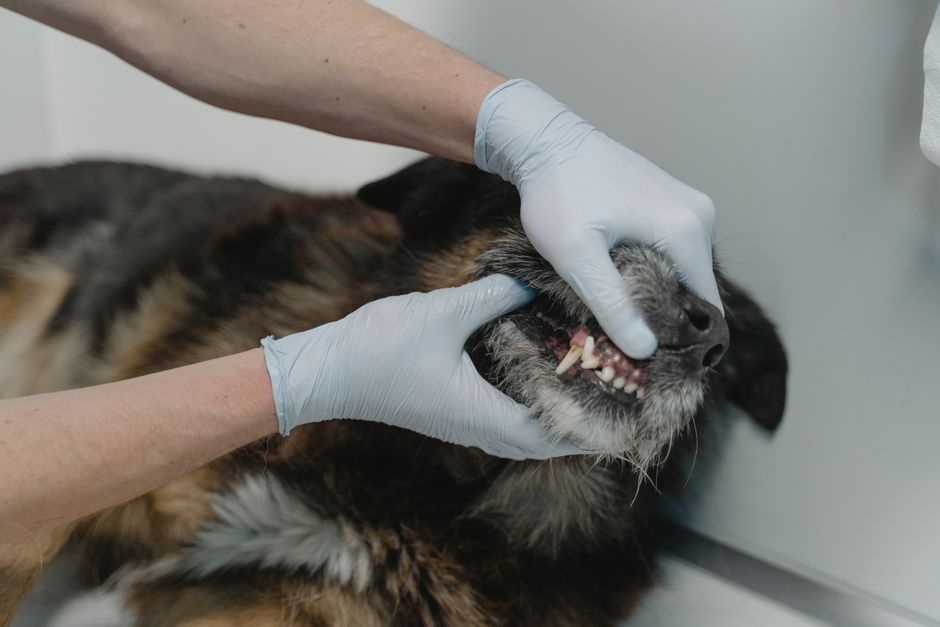
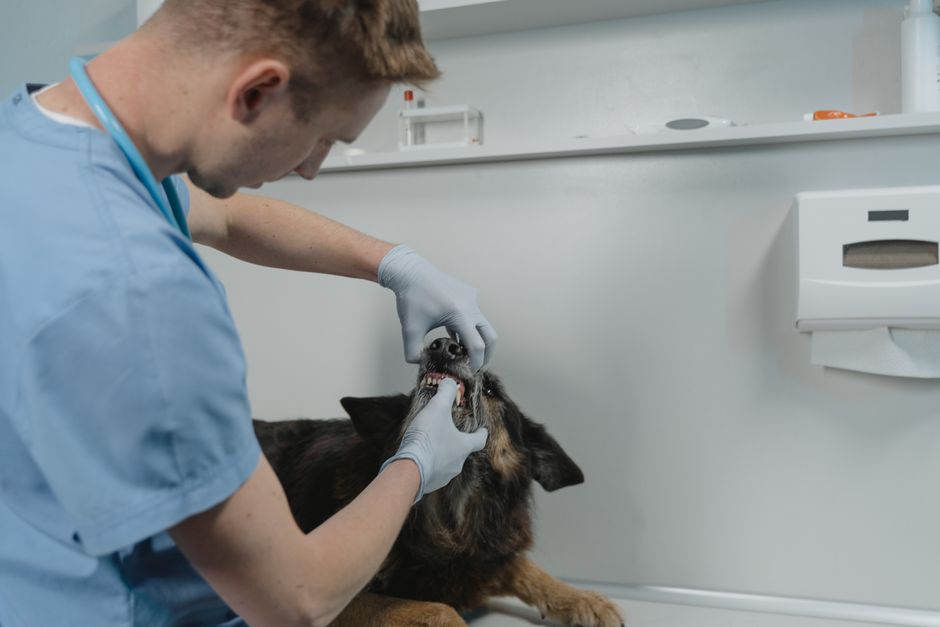
Catching dental disease in its earliest stages is crucial because it allows for less invasive treatment and can prevent serious complications. Early intervention can address problems before they progress to advanced periodontal disease, tooth loss, or infections that may affect organs such as the heart, liver, and kidneys. By bringing your pet in for a wellness examination at our Riverview hospital, our veterinarians can thoroughly examine your dog or cat’s mouth and spot subtle changes you might miss at home.
Understanding the Causes of Dental Disease in Pets
Just like in people, dental disease in pets is caused by a combination of factors. Plaque, a sticky film of bacteria, constantly forms on the surface of the teeth. If not removed, this plaque hardens into tartar, which provides an environment for more bacteria to thrive.
Factors That Contribute to Oral Health Problems
Diet and chewing habits play a significant role in the development of dental disease. Pets who eat only soft foods or who do not have access to appropriate chew toys may accumulate more plaque, while genetics can make some breeds more susceptible to dental issues. Small breed dogs, for example, often experience dental disease earlier in life compared to larger breeds. Other contributing factors include a pet’s age, with older pets at higher risk, and underlying health conditions such as diabetes or immune system disorders.
The warm, humid climate in Riverview and the surrounding areas can also contribute to the growth of bacteria in your pet’s mouth. This makes regular home care and professional dental cleanings even more important for pets in our community.
Professional Dental Treatments and What to Expect
If your pet is showing signs of dental disease, or if it’s been a while since their last oral health check, scheduling a professional dental evaluation is the best next step. At Riverview Veterinary Hospital, our veterinary professionals are equipped with advanced diagnostic and treatment tools to provide comprehensive dental care.
In-Clinic Dental Services
A typical dental visit begins with a thorough oral examination, often using dental radiography to see below the gumline. This technology allows our veterinarians to detect problems such as tooth root abscesses, retained roots, or bone loss that cannot be seen with the naked eye.
Treatment approaches for dental disease may involve a professional pet dental cleaning performed under anesthesia, which allows us to remove plaque and tartar both above and below the gumline. If more advanced disease is present, procedures like pet tooth extractions or even pet oral surgery may be recommended to relieve pain and restore oral health.
After the procedure, our veterinary team will provide you with clear guidance on home care routines, monitoring, and follow-up visits to ensure your pet’s continued comfort and health.
The Importance of Regular Professional Cleanings
Routine dental cleanings are not just about aesthetics—they are vital for preventing disease progression and protecting your pet’s heart, kidneys, and overall well-being. Even if your pet’s teeth appear clean, hidden tartar and early gingivitis can only be detected and addressed through a professional veterinary exam and cleaning.
Preventing Dental Problems at Home
While professional cleanings are essential, the foundation of good oral health starts at home. Establishing a daily or regular oral care routine for your dog or cat can significantly reduce the risk of dental disease.
Home Care Tips for Healthy Pet Smiles
Regular tooth brushing is the most effective way to prevent plaque buildup. Using a pet-safe toothpaste and a soft-bristled toothbrush, gently brush your pet’s teeth, focusing on the gumline where bacteria accumulate. Not all pets will tolerate brushing right away, so patience and positive reinforcement are key.
Dental chews, specialized diets, and toys designed to reduce plaque can also help. Providing your pet with the right chewing options and monitoring their oral health for changes will go a long way in keeping their mouth healthy between veterinary visits.
Avoid giving your pet hard bones or objects that could fracture teeth, and always consult with your veterinarian before introducing new dental products or treats. Our team at Riverview Veterinary Hospital is happy to recommend products tailored to your pet’s individual needs.
When to Schedule a Dental Visit with Your Veterinarian
Knowing when to seek professional help is essential for your pet’s health and comfort. If you notice persistent bad breath, swollen or bleeding gums, difficulty eating, drooling, or any of the other signs mentioned earlier, schedule an appointment with our veterinary team as soon as possible.
The Value of Preventive Pet Care
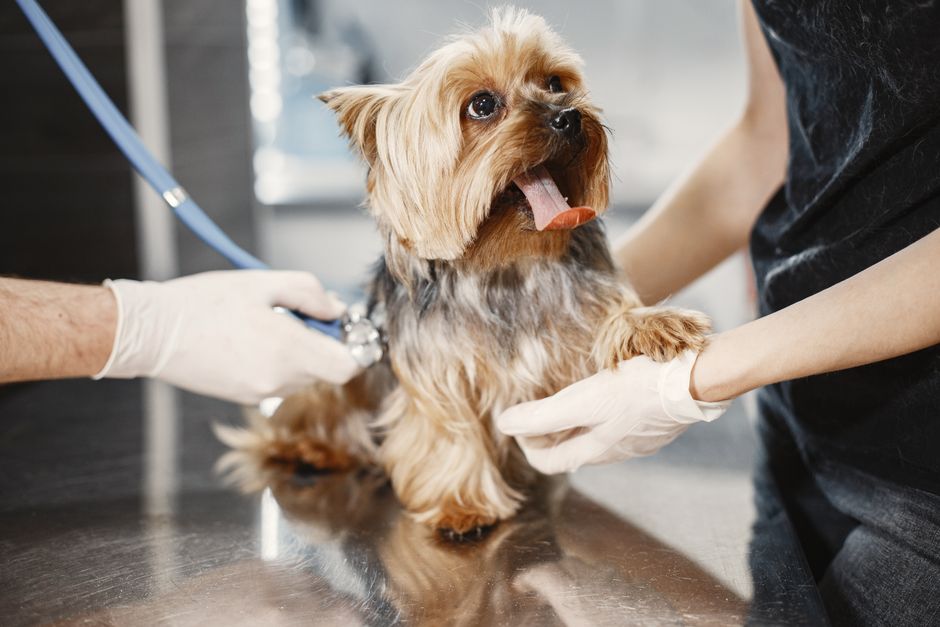
Routine wellness exams and dental assessments are key to catching dental disease early. Even if your pet seems healthy, regular check-ups allow our veterinarians to monitor changes over time and intervene before problems become serious. For pets with a history of dental issues, more frequent exams or cleanings may be recommended.
It is important to remember that dental disease can cause pain and affect your pet’s quality of life long before outward symptoms become severe. When in doubt, it’s always best to consult with a veterinarian. Our team is dedicated to supporting you every step of the way, from the first tooth brushing lesson to advanced dental care if needed.
Protect Your Pet’s Smile in Riverview, FL
Your pet’s dental health is a vital part of their overall well-being. By spotting the early signs of dental disease and working with a trusted local veterinary team, you can help your pet avoid discomfort and stay healthy for years to come. Whether your furry friend is due for a check-up, you’ve noticed changes in their breath or eating habits, or you simply have questions about dental care, Riverview Veterinary Hospital is here to help.
We encourage you to schedule an appointment at our convenient Riverview location if you have any concerns about your dog or cat’s oral health. Our veterinary professionals offer a full range of services, including pet dental cleanings, dental radiographs, and advanced oral surgery for pets in Riverview and surrounding communities. When searching for a veterinarian near me, look for a clinic that prioritizes preventive care, advanced diagnostics, and a compassionate, personalized approach.
Give your pet the gift of a healthy smile—call us today at (813) 677-3100 or visit our website to request your appointment. We look forward to keeping your best friend’s tail wagging and their teeth shining bright! For more information about dental disease in pets, you can also explore reputable resources such as the American Veterinary Dental College or the American Animal Hospital Association.
This article is intended for informational purposes only and does not replace professional veterinary advice. If your pet is experiencing symptoms of dental disease, consult your veterinarian promptly for an in-person examination and personalized care plan.