Is Your Cat Hiding Pain? Signs and Solutions for Cat Owners
Is Your Cat Hiding Pain? Signs and Solutions for Cat Owners
As a cat owner in Riverview, you know how subtle and mysterious feline behavior can be. Sometimes, it feels as though your cat has mastered the art of hiding what they truly feel. Unfortunately, this includes discomfort and pain, which cats instinctively mask as part of their survival instincts. At Riverview Veterinary Hospital, we understand how challenging it can be to recognize when your cat needs help. Our team of experienced veterinarians is committed to helping you spot the early warning signs and provide compassionate, comprehensive care for your feline companion. In this blog, we will explore the subtle signs of pain in cats, discuss common November triggers in the Riverview area, and outline the steps you can take—both at home and with the support of our veterinary professionals at 7459 US HWY 301 S, Riverview, FL 33578—to ensure your cat's comfort and well-being. If you are ever unsure whether your cat is in pain, scheduling a pet examination is one of the most effective ways to gain peace of mind and clarity.
Recognizing the Hidden Signs of Pain in Cats
While some animals will vocalize discomfort, cats are far more likely to hide pain until it becomes severe. This makes it especially important for cat owners to watch for subtle behavioral and physical changes. Common signs that may indicate your cat is experiencing pain include withdrawing from family or routine activities, hiding for longer periods, changes in grooming habits such as over-grooming a specific area or neglecting their coat, and changes in appetite or water consumption. You might also observe limping, difficulty jumping, or reluctance to move up and down stairs. Additional symptoms to be aware of are increased irritability, sudden aggression or uncharacteristic shyness, changes in posture such as hunching or favoring one side, and altered litter box habits, like missing the box or avoiding it altogether due to discomfort.
Cats in pain may also purr more than usual—not as a sign of contentment, but as a means to soothe themselves. An increase in vocalizations, grumbling, or even hissing when touched can all signal discomfort as well. If your cat is suddenly sleeping in new locations or avoiding favorite perches, these could be important clues too. The key is to notice what is different from your cat's usual behavior and routines.
Why Do Cats Hide Pain? Understanding Feline Behavior
Cats are naturally secretive about pain due to their evolutionary background as both predator and prey. In the wild, showing vulnerability could make them a target, so even domestic cats will instinctively conceal signs of weakness. This trait makes it harder for cat owners to recognize when their companion is struggling with an injury, arthritis, dental problems, or internal illness.
In Riverview, seasonal changes can further complicate matters. November brings shifts in temperature, altered daylight hours, and increased humidity—all of which may impact joint discomfort, especially in older cats or those with chronic conditions. Additionally, local allergens and parasites can trigger flare-ups of underlying health issues, making vigilance even more important for keeping your cat healthy and comfortable.
Common Causes of Pain in Cats
Pain in cats can arise from a variety of sources, some of which may be acute and obvious, while others develop gradually over time. Joint pain and arthritis are frequent culprits, particularly as cats age. Dental disease is another common and often overlooked cause; cats may quietly suffer with painful teeth or gums while continuing to eat, albeit with changes in chewing patterns or food preferences.
Injuries from minor falls, rough play, or scuffles with other animals can lead to bruises, sprains, or even fractures. Internal conditions such as kidney disease, urinary tract infections, or digestive problems can also cause significant discomfort, yet the signs may be subtle. Post-surgical pain, soft tissue injury, and inflammation from chronic illnesses like pancreatitis or inflammatory bowel disease are additional possibilities.
To determine the exact source of pain, our veterinary team may recommend a combination of diagnostic tools, including pet diagnostic lab services, digital radiology, or vet ultrasounds, depending on your cat’s symptoms and history. These advanced diagnostics help us pinpoint the underlying cause and tailor the best treatment plan for your cat.
November Triggers for Feline Discomfort in Riverview
Here in Riverview and the surrounding communities, the approach of winter brings specific challenges for cats. Cooler mornings can worsen stiffness in cats with arthritis, while increased time indoors may lead to reduced activity and weight gain—both of which can exacerbate joint pain. Allergens that are prevalent in the fall, such as mold spores, can also trigger flare-ups of skin or respiratory issues, adding to your cat’s discomfort. Keeping a close eye on your cat during seasonal transitions is an important part of maintaining their overall well-being.
Veterinary Treatment Options for Cats in Pain
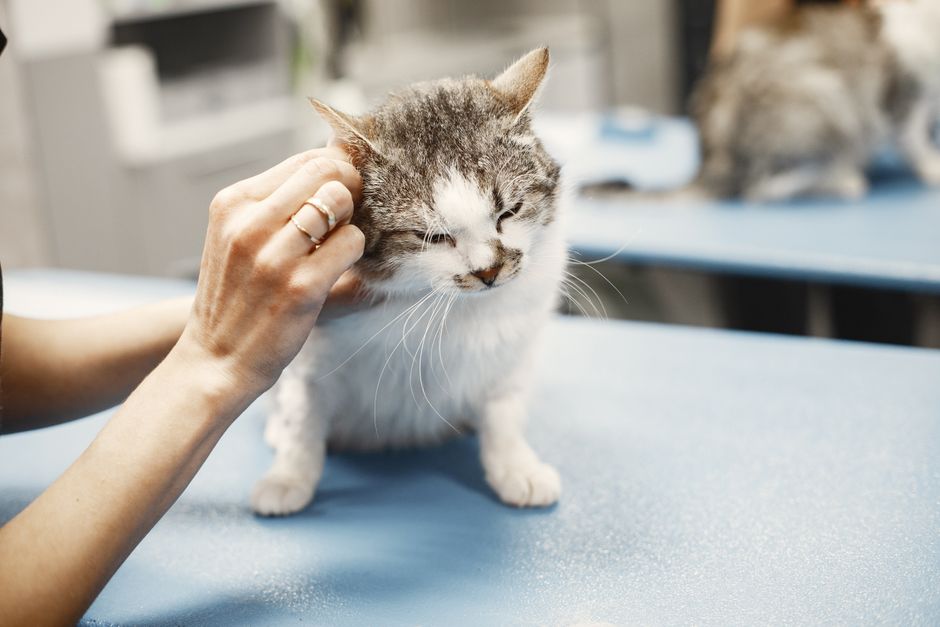
When your cat is hiding pain, a thorough veterinary evaluation is the first and most important step. At Riverview Veterinary Hospital, our approach begins with a detailed history and a gentle, comprehensive physical exam. We may recommend pet examinations to assess your cat's overall health and comfort. If further investigation is needed, our diagnostic capabilities, such as digital radiology for imaging bones and joints, vet ultrasounds for internal organs, and in-house laboratory tests, allow us to quickly identify underlying issues.
Treatment options depend on the cause and severity of your cat’s pain. For arthritis or chronic joint discomfort, we may recommend anti-inflammatory medications, joint supplements, or therapeutic options such as laser therapy to reduce inflammation and support healing. For cats suffering from dental pain, professional cleanings or even extractions may be necessary. In cases of internal pain or injury, surgical intervention—such as pet soft tissue surgery—can relieve discomfort and restore quality of life.
We also recognize the value of integrative therapies; options like acupuncture may be incorporated into a pain management plan to help improve mobility and comfort, especially for cats with chronic or age-related conditions. Our team will work with you to create a treatment plan that is tailored to your cat’s unique needs, always prioritizing safety, comfort, and long-term well-being.
Helping Your Cat at Home: Comfort and Prevention
Supporting your cat’s comfort at home is a partnership that starts with awareness and proactive care. There are several practical steps you can take to minimize pain and promote healing. Providing soft, easily accessible bedding helps relieve pressure on sore joints and encourages rest. Ensuring food, water, and litter boxes are conveniently located on the same level of your home can reduce the need for your cat to climb or jump unnecessarily. For cats with arthritis or mobility challenges, ramps or steps can make favorite perches accessible again.
Maintaining a consistent routine, gentle play, and a healthy weight are important for minimizing joint strain and supporting overall health. Regular grooming and monitoring for changes in coat condition, appetite, or social behavior help you spot early warning signs. Using environmental enrichment, such as interactive toys and safe scratching posts, can keep your cat mentally engaged while reducing stress.
Preventive veterinary care, including routine pet examinations and early intervention when changes are noticed, plays a crucial role in catching problems before they become severe. For senior cats, enrolling in an ongoing senior pet care program ensures age-related discomfort is managed proactively, with regular assessments tailored to your cat’s life stage and risk factors.
When Should You Seek Veterinary Care for Your Cat?
It can be difficult to decide when to call your veterinarian versus when to monitor your cat at home. Generally, any persistent change in behavior, mobility, eating, or grooming habits warrants a veterinary assessment. You should seek prompt evaluation if your cat is hiding more than usual, refusing food or water, having difficulty moving, or showing signs of pain when handled. Sudden lameness, ongoing vomiting or diarrhea, difficulty urinating, or vocalizing when touched are all reasons to schedule an appointment as soon as possible. Cats who stop using the litter box, especially if they strain or cry, may be experiencing a medical emergency.
Even if you are not sure whether your cat’s behavior signals pain, it is always better to err on the side of caution. Our veterinarians are experienced in detecting subtle signs and can offer guidance tailored to your cat’s needs. If you notice any concerning symptoms, contacting us at Riverview Veterinary Hospital for a pet examination is the best way to ensure your cat gets the care they deserve.
Ensuring Your Cat’s Comfort with Riverview Veterinary Hospital
Caring for a cat means being attuned to their subtle language and trusting your instincts when something seems off. Recognizing and addressing pain early can make a tremendous difference in your cat’s quality of life. At Riverview Veterinary Hospital, our team of veterinarians is dedicated to supporting you every step of the way, from thorough diagnostic evaluations to compassionate pain management and preventive care.
If you are searching for a veterinarian near me who truly understands feline health, look no further than our experienced veterinary team at 7459 US HWY 301 S, Riverview, FL 33578. To schedule an appointment or discuss concerns about your cat’s comfort, call us at (813) 677-3100. Whether your cat is a playful kitten, an adventurous adult, or a cherished senior, we are here to help you keep them happy, healthy, and pain-free in every season.
Remember, if you ever have questions or notice changes in your cat’s behavior, don’t wait. Our veterinary professionals are here to provide the compassionate, expert care your feline family member deserves—right here in Riverview and the surrounding communities.