Managing Pet Coughing and Sneezing: When to See the Vet

Managing Pet Coughing and Sneezing: When to See the Vet
Is your dog or cat suddenly coughing or sneezing more than usual? These common pet respiratory symptoms often leave pet owners in Riverview concerned, especially when they linger or worsen. Coughing and sneezing can be mild and fleeting, or they might signal something more serious. At Riverview Veterinary Hospital, located at 7459 US HWY 301 S, Riverview, FL 33578, our experienced veterinary team understands how unsettling it can be to watch your beloved companion struggle with these symptoms.
In this guide, we’ll help you recognize the signs that warrant attention, discuss potential causes, explain how our veterinarians diagnose and treat pet coughing and sneezing in Riverview, and share when you should schedule an appointment to protect your pet’s health. We’ll also provide practical home care tips and highlight the benefits of choosing a vet near me for ongoing support. If you are searching for pet respiratory care in Riverview or surrounding communities, this article will empower you to act confidently for your pet’s wellbeing.
Recognizing Coughing and Sneezing in Pets: When Should You Be Concerned?
It’s not unusual for pets to cough or sneeze occasionally, but frequent or persistent symptoms can indicate an underlying issue that needs attention. Key signs that your pet’s coughing or sneezing may be more than a passing irritation include frequent episodes, coughing fits that interrupt sleep, sneezing that produces discharge, or changes in breathing patterns. Additional red flags are lethargy, loss of appetite, or nasal and eye discharge. For some pets, especially puppies, kittens, seniors, or those with chronic health problems, even mild coughing or sneezing should prompt a closer look.
If you notice these symptoms, consider the context. Occasional sneezing after sniffing dust or pollen may not be cause for alarm, but ongoing or forceful sneezing, or coughing that sounds harsh or wet, could point to infection or respiratory irritation. Coughing that leads to gagging or retching, or sneezing accompanied by swelling around the nose, should also prompt a call to your veterinarian. Our wellness examination services in Riverview include a thorough evaluation of respiratory health, so if you’re unsure, our veterinary professionals are here to help.
What Causes Coughing and Sneezing in Dogs and Cats?
Coughing and sneezing are natural reflexes that help clear the airways of irritants, but when they become persistent, a variety of causes may be at play. In Riverview, the subtropical climate means seasonal allergies are common, with pollen and mold easily triggering pet respiratory symptoms. Environmental factors such as smoke, household cleaners, or dust can also irritate sensitive airways. For many pets, viral or bacterial infections like kennel cough, feline upper respiratory infections, or even canine influenza are common culprits, especially if your pet has recently visited a boarding facility, dog park, or grooming salon.
In addition to infectious causes, parasites such as heartworms or lungworms can lead to coughing, most often in areas like Florida where mosquito populations are high. Dental disease can sometimes be linked to sneezing and coughing, particularly if infection spreads from the mouth to the nasal passages. More rarely, coughing or sneezing may point to underlying conditions such as collapsing trachea, asthma, or even growths in the respiratory tract. For pets with a history of allergies, our allergy testing and dermatology services in Riverview can help pinpoint environmental or food triggers, providing answers when symptoms persist.
How Our Veterinary Team Diagnoses and Treats Pet Respiratory Symptoms in Riverview
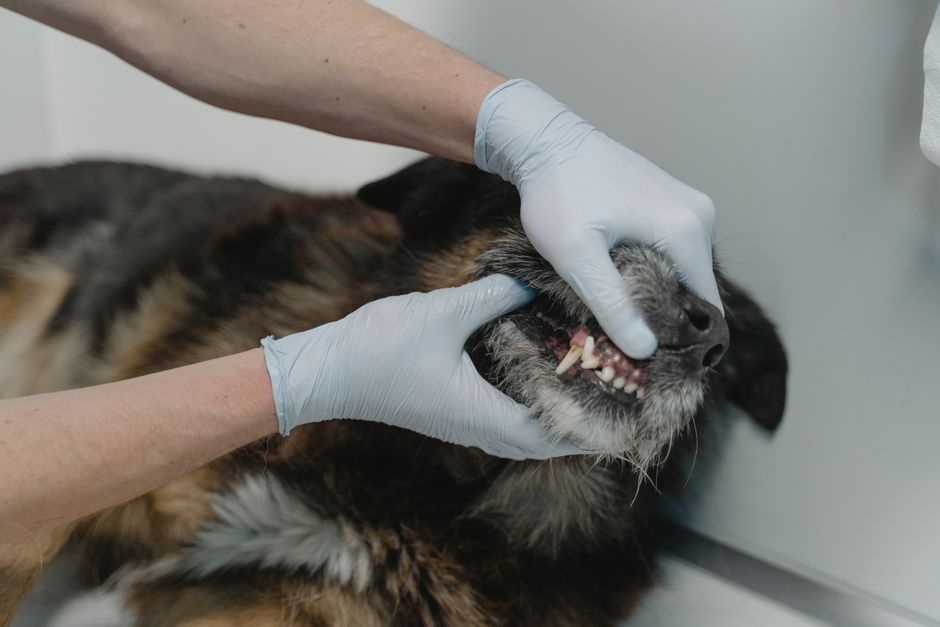
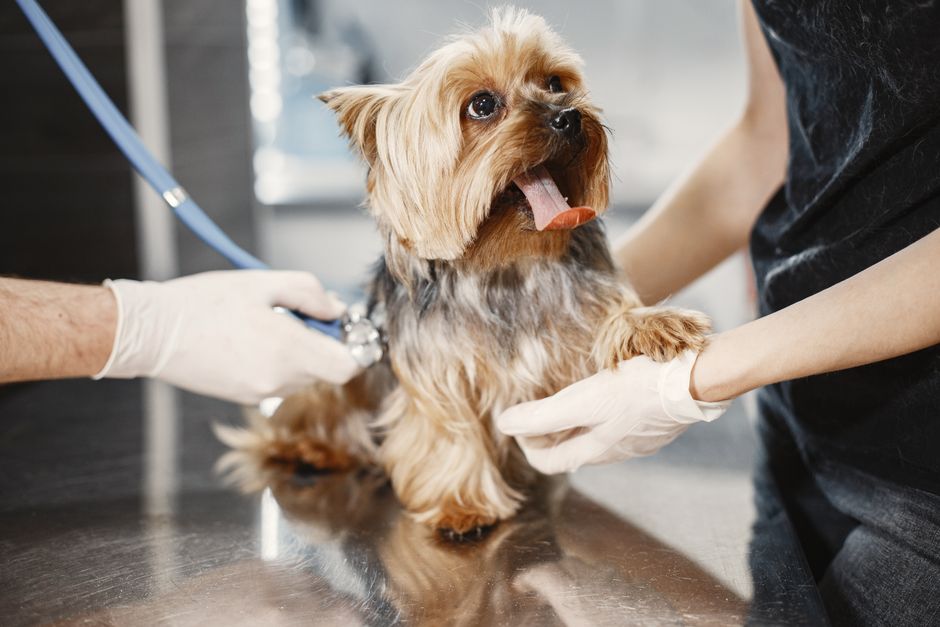
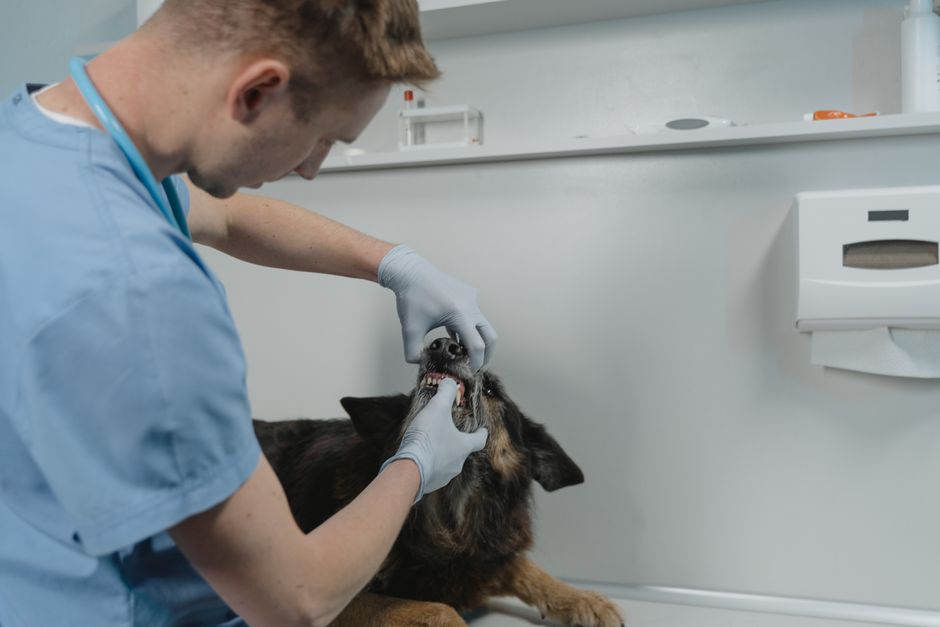
When you schedule an appointment at Riverview Veterinary Hospital for pet coughing and sneezing, our approach begins with a complete medical history and physical examination. Our veterinarians listen carefully to your description of symptoms, noting how often coughing or sneezing occurs, whether there are changes in appetite or energy, and if your pet has been exposed to other animals or new environments. During the exam, we assess your pet’s breathing, listen to the lungs and airways, check for nasal discharge, and look for any swelling or discomfort.
To reach a clear diagnosis, we may recommend further testing. Our in-house pet diagnostic laboratory in Riverview enables rapid bloodwork and screening for infections or inflammation. For more complex cases, advanced imaging using digital radiology helps us visualize the lungs, airways, and nasal passages, revealing hidden issues like pneumonia, obstructions, or tumors. In some cases, additional tests such as cultures for bacterial or viral identification, or allergy panels, may be needed.
Treatment is always tailored to the underlying cause. For mild infections, supportive care and prescribed medications such as antibiotics or antivirals may be recommended. If allergies are to blame, management strategies can include antihistamines, environmental changes, or immunotherapy based on the results of allergy testing. For pets with asthma or chronic bronchitis, inhaled medications or anti-inflammatory drugs might be prescribed, always with close monitoring. Some respiratory conditions, such as heartworm disease or advanced dental infections, require specific medications or procedures. Our veterinary professionals will guide you through each step, explaining risks, benefits, and expected outcomes so you can make informed decisions for your pet’s health.
Prevention and Home Care: Supporting Your Pet’s Respiratory Health
While not every case of coughing or sneezing can be prevented, there are many practical steps you can take at home to support your pet’s respiratory wellness. Reducing exposure to common irritants is one of the most effective strategies; this means using unscented cleaning products, keeping your home smoke-free, and ensuring good ventilation, especially during allergy seasons in Riverview. Regular grooming helps minimize dander and allergens, while frequent washing of bedding and toys reduces dust and pollen buildup.
Staying up to date with vaccinations is another important preventive measure, as it protects your pet against common respiratory infections such as kennel cough and feline upper respiratory viruses. Heartworm prevention is crucial in Florida’s climate, where mosquitoes are active year-round. For pets prone to allergies, our veterinary team may suggest dietary changes or specialized hypoallergenic diets, as well as regular monitoring for flare-ups. If your pet is diagnosed with a chronic condition such as asthma, following your veterinarian’s treatment plan and monitoring for changes in symptoms is essential for long-term health.
At home, keep a close eye on your pet’s breathing, activity levels, and general comfort. If you notice new symptoms or if coughing and sneezing worsen, make a note of when and how often they occur. This information can be invaluable for your veterinarian during a comprehensive pet exam. Remember, while supportive care can help with mild symptoms, persistent or severe cases always require professional evaluation.
When to Schedule a Veterinary Visit for Coughing and Sneezing
Knowing when to seek veterinary care is crucial for your pet’s wellbeing. You should schedule an appointment with Riverview Veterinary Hospital if your pet’s coughing or sneezing lasts more than a few days, is accompanied by nasal or eye discharge, or is severe enough to cause breathing difficulties, lethargy, or loss of appetite. Young animals, seniors, and pets with chronic illnesses are especially vulnerable and should be seen promptly for any respiratory symptoms.
Sudden, forceful, or continuous coughing, sneezing with blood, or any signs of respiratory distress such as open-mouth breathing, bluish gums, or collapse are emergencies that require immediate attention. Even if your pet seems stable, a quick consultation with our veterinary professionals can provide peace of mind and ensure your companion receives the right care. Early intervention often leads to better outcomes and can prevent complications.
Our experienced team in Riverview is well-versed in handling a wide range of pet respiratory symptoms, offering not only thorough diagnostics but also ongoing support for chronic conditions. If your pet is already being treated for another illness, any change in respiratory patterns should be reported to your veterinarian, as it may indicate complications or medication side effects that need to be addressed.
Compassionate Respiratory Care Is Just a Call Away
Coughing and sneezing in pets are common, but persistent or severe symptoms deserve careful attention. By understanding the possible causes, recognizing warning signs, and knowing when to seek help, you can take proactive steps to protect your pet’s health. At Riverview Veterinary Hospital, our veterinary professionals are dedicated to providing quality veterinary services in Riverview and surrounding communities, offering advanced diagnostics, personalized treatment, and preventive care that keeps your companion thriving.
If you’re searching for a “vet near me” or need expert help with pet respiratory symptoms, we invite you to schedule a wellness examination or consultation today. Whether your pet needs digital radiology services for advanced imaging or allergy testing and dermatology to identify chronic triggers, our team is here to support you every step of the way. Call (813) 677-3100 or visit us at 7459 US HWY 301 S, Riverview, FL 33578 to schedule your appointment and experience the difference of compassionate, professional care.
This article is intended for informational purposes only and is not a substitute for professional veterinary advice. If your pet is experiencing severe or sudden symptoms, please contact your veterinarian immediately for guidance and care.