March Pet Dental Care Tips for Riverview Dog and Cat Owners

March Pet Dental Care Tips for Riverview Dog and Cat Owners
Does your dog or cat have breath that makes you hesitate before giving them a cuddle? As March arrives in Riverview, FL, many pet owners find themselves wondering if their four-legged friend’s mouth is as healthy as it could be. Dental health is a crucial aspect of your pet’s overall wellbeing, and staying proactive can help prevent discomfort, disease, and expensive treatments down the road. At Riverview Veterinary Hospital, our experienced veterinarians are dedicated to helping pets in Riverview and surrounding communities enjoy healthy, happy lives through expert dental care, regular checkups, and owner education.
In this blog, we’ll guide you through the key signs of dental issues in dogs and cats, explain why dental problems tend to arise, outline what veterinary dental care involves, and share practical home care tips you can start using this March. You’ll also find advice on when it’s time to schedule an appointment for professional care. If you’re looking for local support for your pet’s dental health, our clinic at 7459 US HWY 301 S, Riverview, FL 33578 is here to help you every step of the way.
How to Recognize Dental Problems in Your Pet
Many dental issues in pets develop gradually, often going unnoticed until they begin to cause pain or affect your pet’s behavior. Understanding the early warning signs can make all the difference when it comes to preventing more serious health problems.
Typical signs of dental disease in dogs and cats include persistent bad breath that doesn’t improve with diet changes, visible tartar buildup along the gum line, red or swollen gums, and reluctance to eat hard food or treats. You might notice your pet dropping food while eating, pawing at their mouth, or showing decreased interest in chew toys they once loved. In more advanced cases, symptoms include bleeding from the mouth, loose or missing teeth, and even facial swelling.
Cats can sometimes be especially subtle in showing their discomfort. Alongside bad breath and visible changes in the mouth, you may see changes in grooming habits, drooling, or irritability. If your pet’s breath has a strong odor or their eating habits have changed, it’s wise to take a closer look at their dental health.
Why Dental Disease Develops in Dogs and Cats
Dental problems in pets share many similarities with those seen in people. The most common culprit is plaque, a sticky film of bacteria that forms on teeth after eating. Without regular cleaning, this plaque hardens into tartar, leading to inflammation of the gums (gingivitis) and eventually more severe periodontal disease.
Several factors can contribute to dental disease in pets. Diet plays a significant role, as pets fed mostly soft or wet foods tend to develop plaque and tartar more quickly. Genetics also influence susceptibility; some breeds, especially smaller dogs and certain cats, are particularly prone to dental issues due to crowded or misaligned teeth. Age also plays a role, with older pets more likely to show signs of dental disease, although problems can arise at any stage of life.
Environmental factors, such as the warm, humid climate here in Riverview, can also encourage the growth of bacteria in your pet’s mouth. Without regular dental care, even healthy pets can develop issues over time.
Professional Dental Care: What to Expect at Riverview Veterinary Hospital
If you notice any of the signs described above, or if your pet is due for a routine checkup, the best course of action is to schedule an appointment with your veterinarian. At Riverview Veterinary Hospital, our veterinary team provides comprehensive dental care for dogs and cats, tailored to each pet’s unique needs.
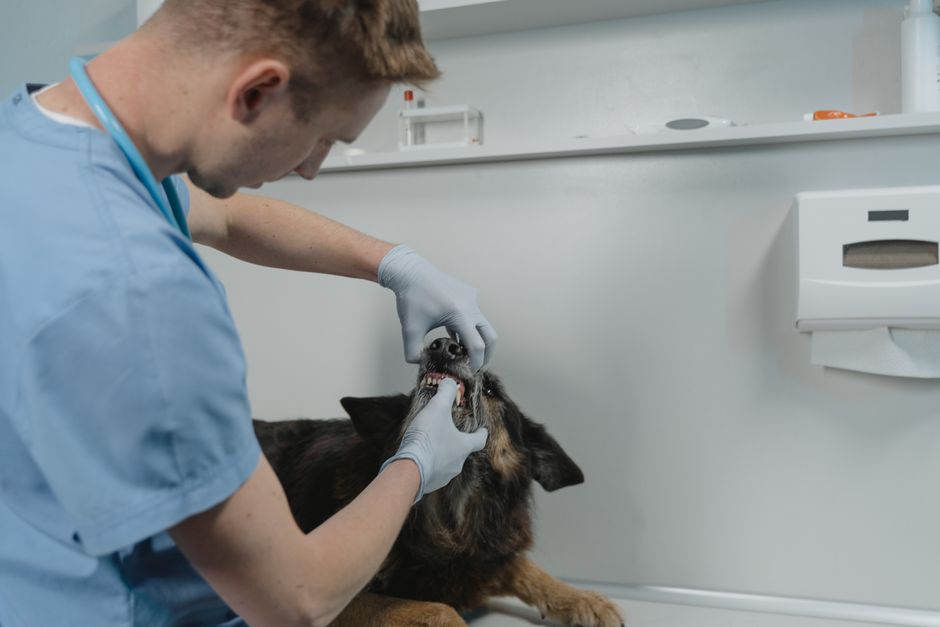
A professional dental evaluation begins with a thorough oral examination, during which our veterinarians assess your pet’s teeth and gums for signs of disease, loose teeth, or abnormalities. In many cases, we recommend dental radiography services to look for hidden problems below the gum line that aren’t visible during a visual inspection.
Dental cleanings performed by veterinary professionals involve scaling away tartar and plaque both above and below the gum line, followed by polishing to smooth the tooth surface. If oral surgery or tooth extractions are required, our team is equipped to provide pet oral surgery and pet tooth extractions in a safe, comfortable environment.
Regular pet dental cleanings are one of the most effective ways to maintain your pet’s oral health, helping to prevent pain, tooth loss, and infection. We use advanced equipment and gentle techniques to ensure your pet receives the best care possible.
At-Home Dental Care: Practical Tips for March
While professional dental care is essential, your daily habits at home play a huge role in your pet’s oral health. Taking action this March can set your dog or cat up for a healthier year ahead.
Brushing your pet’s teeth regularly is the gold standard for preventing plaque buildup. Aim to use a pet-specific toothbrush and toothpaste, as human products can be harmful to animals. If your pet is new to tooth brushing, start slowly by letting them taste the toothpaste, then gradually introduce gentle brushing motions.
Dental chews and toys designed to clean teeth mechanically can also help reduce plaque and tartar. Choose products that are approved by veterinary dental organizations, and supervise your pet to ensure they chew safely. For cats, look for dental treats or toys that promote oral hygiene.
Dietary choices matter as well. Some prescription diets are formulated to support dental health, with kibble shapes and textures that help clean teeth as your pet eats. Avoid giving your pet sugary treats or table scraps, as these can contribute to plaque formation.
Lastly, make a habit of lifting your pet’s lips to check for visible tartar, red gums, or broken teeth. Early detection can prevent minor issues from becoming major problems.
When Is It Time to See the Veterinarian?
Although home care is valuable, certain dental problems require professional attention. If your pet is experiencing persistent bad breath, visible swelling, bleeding from the mouth, loose or missing teeth, or signs of pain while eating, it’s important to schedule an appointment promptly.
Other times to seek veterinary care include noticing a sudden change in eating habits, excessive drooling, or any discharge from the mouth. Even if your pet seems otherwise healthy, annual dental exams are recommended for both dogs and cats to catch problems early.
Remember that untreated dental disease can lead to infections affecting the heart, kidneys, and other organs. By staying proactive and seeking veterinary attention when needed, you’re protecting your pet’s overall health and comfort.
Supporting Your Pet’s Smile: Schedule March Dental Care in Riverview
Dental care is more than just fresh breath; it’s an essential part of your pet’s long-term health and happiness. By recognizing the signs of dental problems, understanding what causes them, and staying proactive with both home care and professional cleanings, you can help your pet avoid discomfort and enjoy a better quality of life.
If you’re searching for a veterinarian near me who offers comprehensive dental care in Riverview and surrounding communities, our veterinary professionals at Riverview Veterinary Hospital are ready to support you. To schedule a dental checkup or learn more about our pet dental cleaning services, call us at (813) 677-3100 or visit us at 7459 US HWY 301 S, Riverview, FL 33578. Our team of veterinarians takes pride in building lasting relationships with pets and their families, ensuring every visit is compassionate and thorough.
Your pet’s comfort and health are our highest priorities. Let’s work together this March and beyond to keep your companion’s smile bright and their mouth healthy. For more information about pet dental care, visit our website at riverviewveterinaryhospital.com or contact our experienced veterinary team today.