Spring Allergies in Riverview: Signs Your Pet Needs Help

Spring Allergies in Riverview: Signs Your Pet Needs Help
As spring returns to Riverview, FL, you may notice your dog or cat scratching more than usual, sneezing, or developing red, irritated skin. Seasonal allergies are a common issue for pets in our area, and the warm, humid climate can make matters even more challenging for sensitive pets. At Riverview Veterinary Hospital, our team of veterinarians wants to help local pet owners recognize the signs of spring allergies and take proactive steps to keep pets comfortable and healthy. In this blog, we will guide you through the symptoms of pet allergies, explain what causes them, describe available treatments, and share tips for preventing flare-ups at home. If your pet is struggling with allergies this season, our veterinary professionals in Riverview, FL are here to help you find relief for your furry family member.
Recognizing Spring Allergy Symptoms in Pets
Spring allergies can look different in dogs and cats, but many pets show similar signs when pollen, grasses, and molds are at their peak. Common symptoms include persistent scratching or licking, which often leads to red, inflamed skin. You might notice your pet shaking their head, rubbing their face on the floor, or chewing at their paws. In some cases, pets develop frequent ear infections, watery eyes, or a runny nose. Other signs to watch for are sneezing, coughing, or even hair loss in areas where your pet has been scratching excessively.
Cats may hide or groom themselves more intensely, while dogs tend to be more obvious about their discomfort. If you notice your pet scratching after going outside, or if their symptoms seem to worsen as the weather warms up, spring allergies could be the cause. Keep an eye out for changes in your pet's behavior, such as restlessness or irritability, which can also signal that they are uncomfortable due to itching or skin irritation.
Why Do Pets Get Spring Allergies?
Just like people, pets can be sensitive to environmental allergens that become more prevalent during spring. The main culprits in Riverview and surrounding communities are pollens from trees, grasses, and weeds, as well as mold spores that thrive in warm, damp conditions. Pets inhale or come into direct contact with these allergens when they spend time outside, especially during walks, playtime, or even just lounging in the backyard.
Certain breeds are more prone to allergies, including many terriers, retrievers, and flat-faced cats like Persians. However, any dog or cat can develop allergies at any age. Genetics, immune system function, and even previous skin problems can all increase a pet's risk. In some cases, allergies may be triggered or worsened by flea bites, food sensitivities, or irritants like dust and cleaning chemicals. Because spring brings a surge in pollen and other allergens, pets who are already sensitive may experience their worst symptoms this time of year.
How Our Veterinarians Diagnose and Treat Pet Allergies
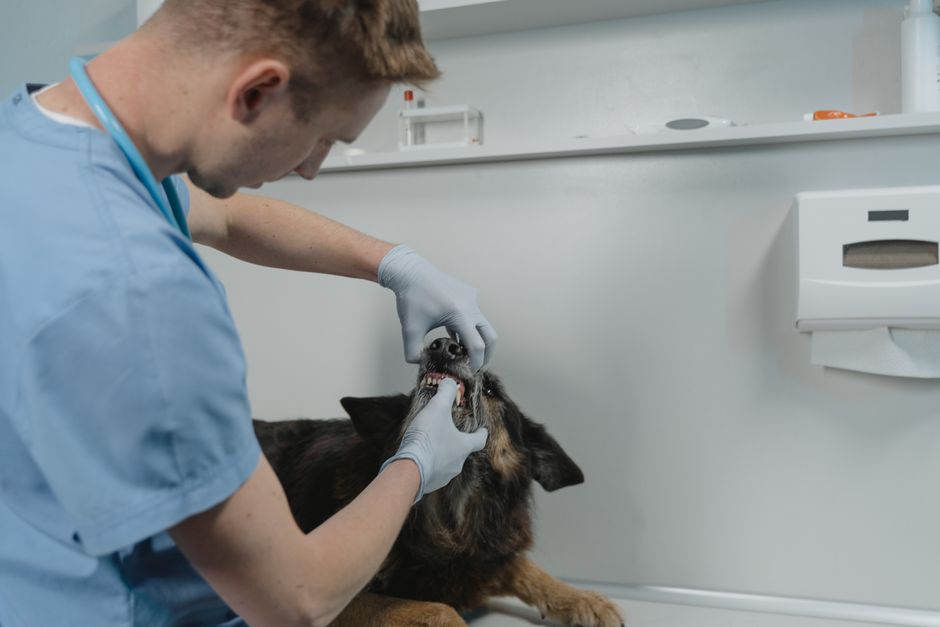
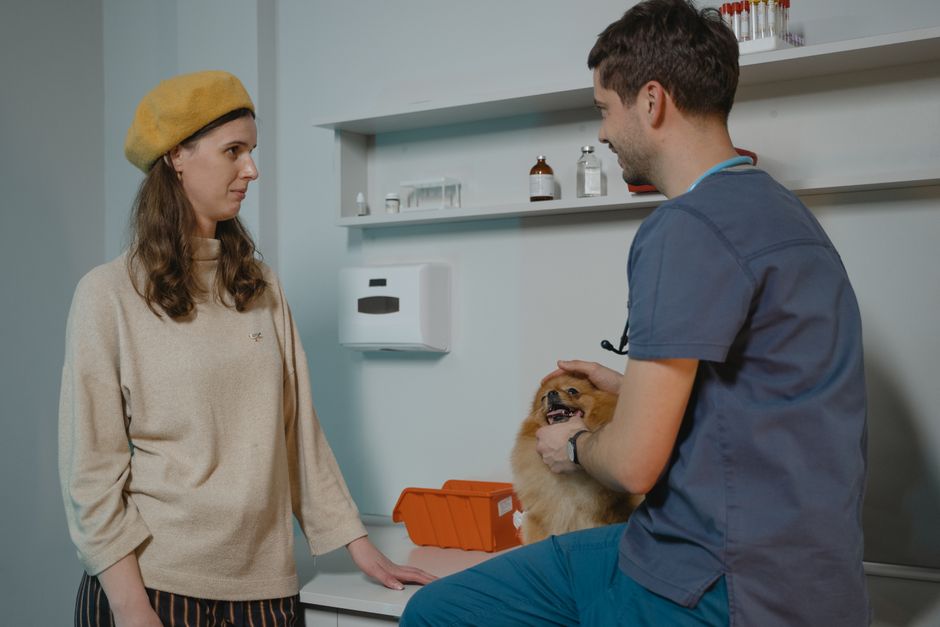
If you suspect your pet has spring allergies, the first step is to schedule an appointment with our experienced veterinary team at Riverview Veterinary Hospital. During your visit, we will perform a thorough examination to rule out other causes of itching and skin irritation, such as parasites or infections. Our veterinarians may recommend allergy testing and dermatology services for pets to help pinpoint the specific allergens affecting your pet.
Treatment options for spring allergies depend on the severity of your pet's symptoms and the underlying causes. For mild cases, our team may suggest frequent bathing with gentle, hypoallergenic shampoos to remove pollen and soothe irritated skin. Medications such as antihistamines or prescribed anti-itch therapies can offer relief for pets with moderate symptoms. For more persistent or severe cases, we may discuss options like immunotherapy (allergy shots), advanced topical treatments, or tailored management plans that combine several strategies.
Sometimes, pets with allergies are more prone to developing secondary bacterial or yeast infections on their skin. Our veterinarians can diagnose and treat these complications with appropriate medications or medicated baths, ensuring your pet gets comprehensive care to address all aspects of their discomfort.
Home Care: Helping Your Pet Stay Comfortable During Allergy Season
While professional veterinary care is essential for diagnosing and managing allergies, there are also steps you can take at home to help your pet feel better. Regularly wiping your pet's paws, belly, and coat with a damp cloth after outdoor activities can help remove allergenic pollens before they cause irritation. Bathing your pet as recommended by your veterinarian can further reduce exposure to allergens and soothe the skin.
Vacuuming your home frequently and washing your pet's bedding in hot water can help minimize indoor allergens like dust and mold. Keeping windows closed during high pollen days and using air purifiers may also reduce allergen levels inside your home. For pets with food sensitivities or known triggers, maintaining a consistent and veterinarian-approved diet is important.
If your pet is prone to fleas, year-round flea prevention is crucial, since flea bites can cause or worsen allergic reactions. Always follow your veterinarian's advice on medications and preventive care, and monitor your pet for any changes in their skin, coat, or behavior.
When to Seek Veterinary Care for Allergies
Allergy symptoms in pets can range from mild to severe, and it's not always easy to know when professional help is needed. If your pet is scratching so much that they break the skin, develop sores, or seem unable to rest comfortably, it's time to call your veterinarian. Persistent ear infections, hair loss, or changes in appetite and energy can also indicate a need for medical evaluation.
Early intervention can prevent minor irritation from developing into more serious skin infections or chronic discomfort. Our veterinarians at Riverview Veterinary Hospital are experienced in identifying the root causes of allergy symptoms and providing effective, compassionate care. If home remedies are not providing relief, or if your pet's symptoms are getting worse, scheduling a veterinary appointment is the best way to ensure your pet's long-term health and happiness.
Take Action Against Spring Allergies: Schedule Your Appointment Today
Spring allergies do not have to disrupt your pet's comfort or your family's routine. By recognizing the signs of allergies, understanding their causes, and working closely with our veterinary professionals, you can help your pet enjoy the season to the fullest. If you are searching for a veterinarian near me in Riverview or need expert help managing your dog or cat's spring allergy symptoms, Riverview Veterinary Hospital is here for you.
To schedule an allergy evaluation or discuss your pet's symptoms, contact our team at (813) 677-3100 or visit us at 7459 US HWY 301 S, Riverview, FL 33578. You can also learn more about our allergy testing and dermatology services for pets on our website. Our veterinarians are dedicated to supporting the health and comfort of pets in Riverview and surrounding communities all year long. If you have any questions or concerns, please reach out—our veterinary team is always ready to help you and your pet feel your best this spring.
This article is for informational purposes only and should not replace professional veterinary advice. If your pet is experiencing severe symptoms or you have concerns about their health, please contact your veterinarian immediately.