Does Your Cat Need a Professional Dental Cleaning?
Does Your Cat Need a Professional Dental Cleaning?
As a cat owner, you may have noticed your feline companion’s breath isn’t quite as fresh as it used to be or have spotted yellowish buildup on their teeth during a chin scratch. It’s easy to overlook dental care for cats, but healthy teeth and gums are essential for your cat’s overall wellbeing. At Riverview Veterinary Hospital, located at 7459 US HWY 301 S, Riverview, FL 33578, our veterinary team sees firsthand how dental disease can affect the comfort, appetite, and even the long-term health of cats throughout Riverview and surrounding communities.
In this blog, we’ll help you recognize the common signs that your cat may need a professional dental cleaning, explain why dental disease is so common in cats, discuss what’s involved in a veterinary dental cleaning, and share tips for maintaining your cat’s oral health at home. Whether you’re already concerned about your cat’s dental health or want to learn more about prevention, you’ll find helpful, locally relevant advice that keeps your feline friend smiling. If you’re curious about what a cat dental cleaning near you involves, or you’re ready to address your cat’s dental health, our professional dental cleaning services for pets at Riverview Veterinary Hospital can make a real difference.
Recognizing Signs Your Cat May Need a Dental Cleaning
Many cat owners are surprised to learn that dental disease is one of the most common health problems in adult cats. Since cats are experts at hiding discomfort, it can be tricky to spot problems early. However, there are several key symptoms to watch for at home.
Bad breath, also known as halitosis, is one of the earliest and most noticeable signs of dental issues in cats. While a mild odor can be normal, a persistent or foul smell often means bacteria are thriving in the mouth. Yellow or brown tartar buildup along the gumline is another sign that plaque has hardened, making it difficult to remove with brushing alone. Red or swollen gums—gingivitis—may be present, and you might notice your cat drooling more than usual or pawing at their mouth. Some cats stop eating dry kibble or show a preference for softer foods because of oral pain. In severe cases, cats may drop food, lose weight, or develop swelling under the eyes if dental disease progresses to tooth root abscesses.
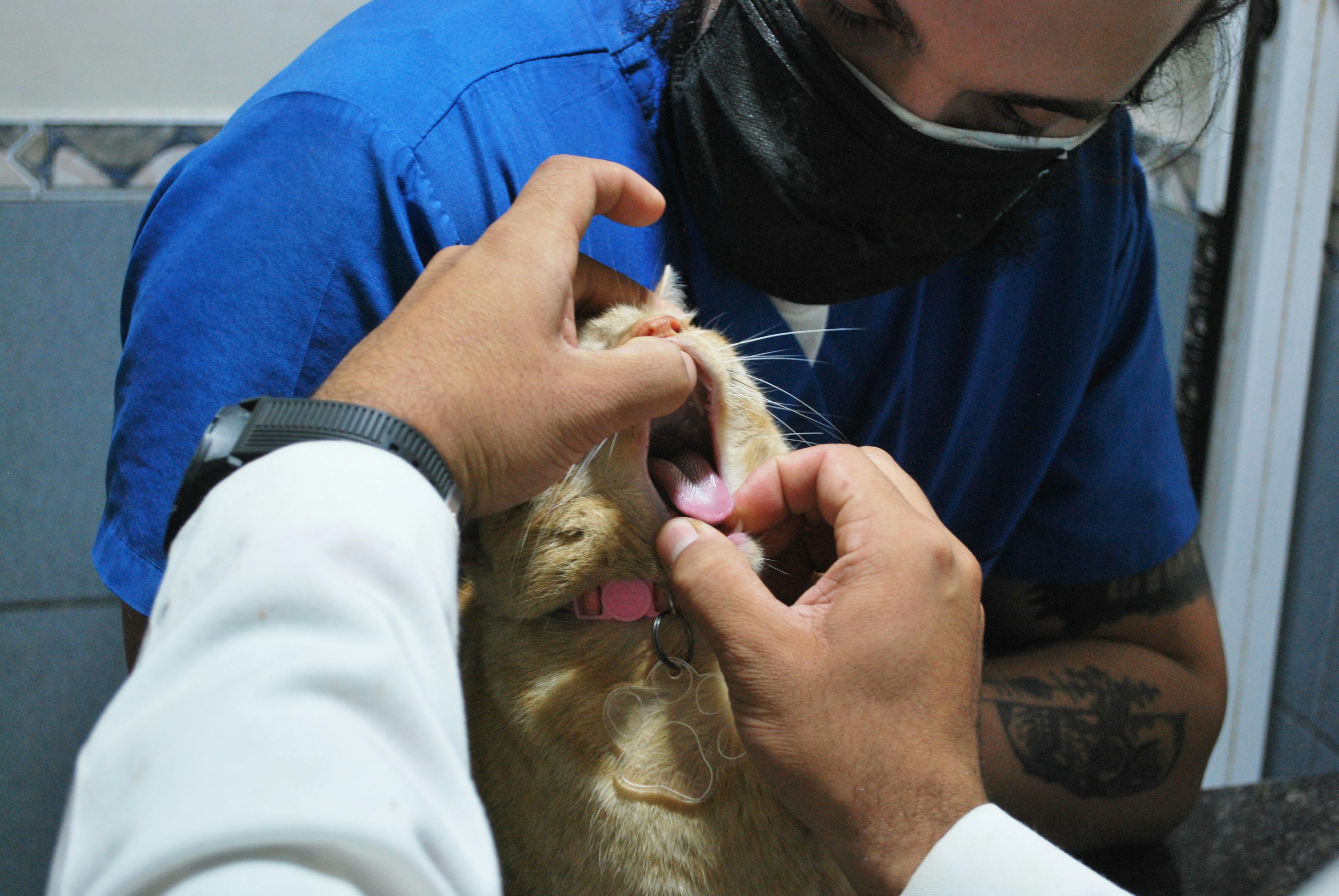
Other signs to monitor include bleeding from the mouth, visible tooth fractures, or even loose teeth. If your cat resists having their mouth touched or shows behavioral changes such as hiding or irritability, dental discomfort could be a factor. Regularly checking your cat’s mouth at home can help you catch these signs early, but it’s important to remember that some issues can only be identified during a veterinary examination.
Why Cats Develop Dental Disease
Understanding why dental issues are so common in cats can help you take proactive steps. Feline dental disease typically starts with the buildup of plaque—a sticky film of bacteria—on the teeth. Over time, this plaque mineralizes into tartar, which further irritates the gums and provides a surface for more bacteria to thrive. Without intervention, this cycle leads to gingivitis and, eventually, periodontitis, an infection that damages the tissues and bone supporting the teeth.
Several factors contribute to dental disease in cats. Diet plays a significant role, as cats who eat primarily soft or wet foods tend to have more tartar buildup than those on a kibble diet. Genetics can make some cats more prone to oral issues, and certain breeds, such as Siamese or Abyssinians, may be at higher risk for dental problems. Age is another factor, since dental disease is nearly universal in cats over the age of three if routine dental care is not provided.
Cats are also susceptible to a unique condition called tooth resorption, where the body breaks down tooth structure from within. This painful process can affect cats of any age and is not always visible without dental X-rays. Because dental pain can be subtle and cats rarely show obvious discomfort, many owners are unaware of the severity of the problem until it is advanced.
What Happens During a Professional Cat Dental Cleaning?
A professional dental cleaning for cats at a veterinary hospital involves much more than just cleaning the visible surfaces of the teeth. At Riverview Veterinary Hospital, our experienced veterinary team follows a comprehensive approach to ensure your cat receives thorough care in a safe and comfortable environment.
The process begins with a physical examination and pre-anesthetic evaluation to ensure your cat is healthy enough for anesthesia. Anesthesia is necessary for dental procedures in cats, as it allows for a stress-free experience and enables veterinarians to clean above and below the gumline where most disease occurs. Once your cat is safely anesthetized, our team performs a detailed oral examination, checking each tooth for signs of damage, infection, or resorption.
Dental X-rays (radiographs) are a critical part of the procedure, as they reveal problems beneath the gumline that cannot be seen with a visual exam alone. The cleaning itself involves removing plaque and tartar from all tooth surfaces using ultrasonic and hand scaling instruments. After scaling, the teeth are polished to smooth the enamel and help prevent future buildup. If any teeth are severely damaged or infected, your veterinarian may recommend extractions to relieve pain and prevent the spread of disease.
Throughout the procedure, your cat’s vital signs are monitored closely to ensure their safety and comfort. After recovery, our team will discuss findings with you and provide a customized home care plan to maintain your cat’s oral health. You can learn more about what to expect from our professional dental cleaning services for pets at Riverview Veterinary Hospital.
The Benefits of Professional Dental Cleanings for Cats
Investing in regular dental cleanings can have a profound impact on your cat’s quality of life. By removing harmful bacteria and tartar, professional cleanings help prevent gingivitis, tooth loss, and painful infections. Many cat owners notice improvements in their cat’s breath, appetite, and even energy levels following dental treatment.
Beyond the obvious oral health benefits, maintaining healthy teeth and gums also protects your cat’s overall health. Dental disease has been linked to heart, liver, and kidney problems in both cats and dogs, as bacteria from the mouth can enter the bloodstream and affect other organs. By addressing dental issues early, you are reducing the risk of more serious health complications in the future.
Professional dental cleanings also provide an opportunity for veterinarians to catch and treat problems that may not be noticeable at home, such as tooth resorption or oral tumors. Early intervention can make treatment easier and more effective, helping your cat enjoy a happier, healthier life.
Home Dental Care: What Cat Owners Can Do
While professional dental cleanings are essential, home care is an important part of keeping your cat’s teeth healthy between visits. The most effective way to reduce plaque is by brushing your cat’s teeth regularly using a pet-safe toothbrush and toothpaste. Start slowly and reward your cat with praise or treats to make the experience positive. Even brushing a few times per week can make a difference.
For cats who resist brushing, dental diets, treats, and oral rinses formulated to reduce plaque can help support dental health. Look for products with the Veterinary Oral Health Council (VOHC) seal, which indicates they have been proven to reduce plaque or tartar. Chew toys designed for cats can also help, but always ensure they are safe and appropriate for your cat’s size and chewing style.
Regularly inspect your cat’s mouth for changes in breath odor, gum color, or tooth appearance. Early detection of issues allows you to work with your veterinarian to address problems before they become severe. Keep in mind that while home care is valuable, it does not replace the need for professional cleanings and examinations.
When to Schedule a Veterinary Dental Cleaning
If you notice any of the warning signs discussed earlier—bad breath, tartar buildup, red or bleeding gums, difficulty eating, or behavioral changes—it’s time to schedule a dental evaluation for your cat. Even if your cat appears healthy, annual dental checkups are recommended, as many problems develop silently. Cats over the age of three should have their teeth examined by a veterinarian at least once per year, and more frequently if they have a history of dental disease.
Certain situations require prompt veterinary attention. If your cat suddenly stops eating, has significant swelling around the mouth or face, or you see blood in their saliva, contact your veterinarian as soon as possible. Delaying treatment can lead to more serious complications and prolonged discomfort for your cat.
At Riverview Veterinary Hospital, we encourage you to schedule an appointment for a dental evaluation if you have any concerns about your cat’s oral health. Our veterinary professionals are happy to answer your questions and develop a dental care plan tailored to your cat’s needs.
Why Choose Riverview Veterinary Hospital for Cat Dental Care?
Choosing the right veterinary hospital for your cat’s dental needs can make all the difference in their comfort and long-term health. At Riverview Veterinary Hospital, our team of experienced veterinarians and support staff are dedicated to providing high-quality, compassionate care for cats throughout Riverview and the surrounding communities. Our hospital offers advanced diagnostic tools, including dental radiography and a full range of dental services, from cleanings to surgical extractions.
We believe in a proactive approach to veterinary care, helping you prevent problems before they start and supporting you with clear guidance every step of the way. Our commitment to ongoing education and modern dental techniques ensures your cat receives the best possible care in a safe and welcoming environment.
When searching for a veterinarian near me who truly understands the needs of cats and their owners, you can count on Riverview Veterinary Hospital to deliver exceptional service and results.
Take the Next Step Toward a Healthy Cat Smile
Your cat’s dental health is too important to leave to chance. If you suspect your cat may need a professional dental cleaning or simply want to ensure their mouth stays healthy, reach out to our veterinary team today. We invite you to schedule an appointment at our 7459 US HWY 301 S, Riverview, FL 33578 location for a thorough dental evaluation and cleaning.
Our experienced veterinarians are here to answer your questions and create a customized dental care plan that fits your cat’s needs and your lifestyle. For more details about what’s involved in a professional cleaning, visit our professional dental cleaning services for pets at Riverview Veterinary Hospital page. To schedule your cat’s dental appointment, call us at (813) 677-3100 and discover how easy it can be to give your cat a healthier, happier smile.
Your cat depends on you for their wellbeing, and we’re here to help every step of the way. Let Riverview Veterinary Hospital be your trusted partner for lifelong feline health, right here in Riverview.