How a Cat Allergy Vet Can Help Your Itchy Cat

How a Cat Allergy Vet Can Help Your Itchy Cat
Is your cat constantly scratching, sneezing, or experiencing fur loss? If these problems sound familiar, you are not alone—cat allergies are a common concern for many families in Riverview, FL and surrounding communities. At Riverview Veterinary Hospital, our experienced team understands how frustrating it can be to watch your cat struggle with itchy skin or frequent respiratory symptoms. That is where the expertise of a cat allergy vet comes in. In this blog, we will guide you through the signs of feline allergies, explain why they develop, and describe how a dedicated veterinary team can help diagnose and manage your cat’s discomfort. You will also learn what home steps can support your cat’s health and when to schedule an appointment at our Riverview location for professional care. By the end, you will have a clear understanding of how a cat allergy vet can help your cat feel comfortable again.
Recognizing the Signs: Is Your Cat Suffering from Allergies?
Allergies in cats can be tricky to identify at first, especially since the symptoms sometimes overlap with other health conditions. However, there are several warning signs that may indicate your cat is dealing with an allergy rather than a routine skin issue or mild respiratory problem. Common symptoms include persistent scratching, licking, or biting at the skin, as well as hair loss, scabs, or red, irritated skin. Some cats develop sneezing, watery eyes, or chronic ear infections. In certain cases, you might notice your cat grooming excessively or developing bald spots around the neck, belly, or base of the tail. Gastrointestinal upset, such as vomiting or diarrhea, can also be linked to allergies, particularly if food is a culprit.
Cats with allergies often become restless or irritable due to constant discomfort. You might see your cat hiding more often or avoiding contact, especially if their skin is sore. If you observe these signs, it is important to consider that allergies may be the underlying cause. Addressing these symptoms promptly can help prevent secondary infections and improve your cat’s overall well-being.
What Causes Feline Allergies? Understanding the Triggers
Just like people, cats can develop allergies to a wide variety of substances in their environment or diet. The most common causes of feline allergies include flea bites, environmental allergens like pollen, dust mites, and molds, and certain ingredients in their food. Flea allergy dermatitis is particularly common in Florida’s warm, humid climate, where fleas thrive nearly year-round. Even a single flea bite can set off intense itching and inflammation in a sensitive cat.
Environmental allergies, often called atopy, are triggered when cats come into contact with airborne allergens such as grasses, tree pollens, or household dust. These allergies can be seasonal or persist throughout the year, depending on the specific trigger. Food allergies, while less common, can develop at any age. Proteins such as chicken, beef, or fish, as well as certain grains, are potential sources of food reactions for some cats.
It is important to remember that allergies can affect any cat, regardless of age or breed. Often, the exact cause is not immediately obvious, and some cats may have more than one type of allergy. That is why working with a cat allergy vet is crucial for pinpointing specific triggers and developing an effective treatment plan.
How a Cat Allergy Vet Diagnoses and Treats Feline Allergies
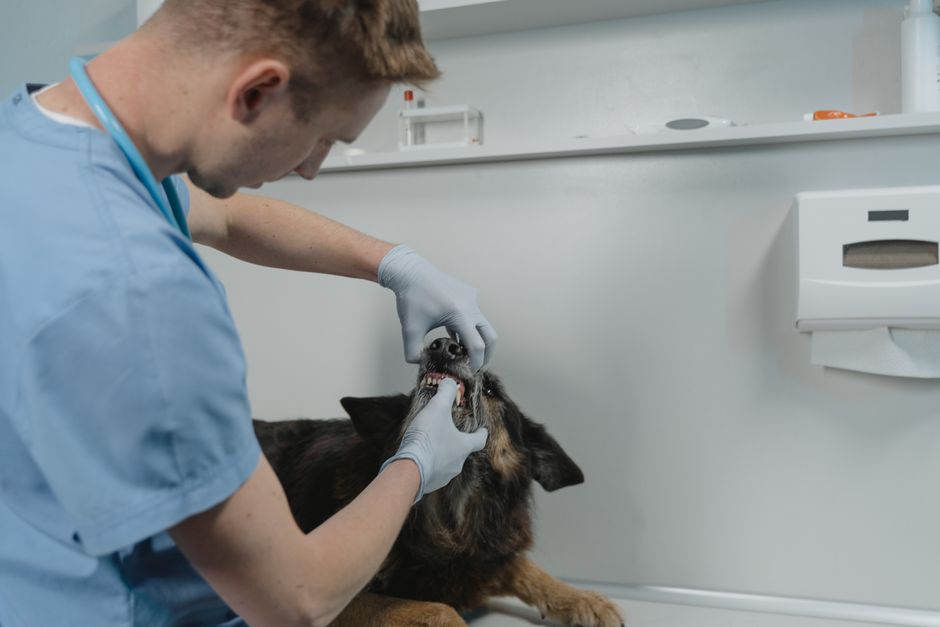
If you suspect your cat has allergies, a thorough veterinary evaluation is the first step. At Riverview Veterinary Hospital, our veterinarians begin with a comprehensive physical examination, paying close attention to your cat’s skin, coat, and ears. We will ask about your cat’s environment, diet, and any recent changes in routine that might be relevant. Diagnostic tests play an important role in ruling out other skin or health conditions that can mimic allergies, such as mites, fungal infections, or hormonal imbalances.
In many cases, our team may recommend allergy testing and dermatology services to pinpoint specific triggers. This might involve blood tests, intradermal skin testing, or dietary elimination trials to identify food sensitivities. Identifying the cause of your cat’s discomfort is essential for creating a targeted management plan.
Treatment approaches for feline allergies depend on the underlying cause. If fleas are involved, strict flea control is the top priority—this often means using prescription flea preventatives for all pets in the household. For environmental allergies, options include medications to reduce itching and inflammation, such as antihistamines, corticosteroids, or newer therapies like immune-modulating drugs. In some cases, immunotherapy (allergy shots or oral drops) may be recommended to help desensitize your cat’s immune system over time.
Food allergies are managed by placing your cat on a special elimination diet, typically using novel or hydrolyzed proteins. If your cat improves, ingredients are gradually reintroduced to identify the culprit. Our veterinary team will guide you through this process and help monitor your cat’s response. Throughout treatment, we focus on providing relief from symptoms, preventing secondary infections, and supporting your cat’s quality of life.
Supporting Your Cat at Home: Prevention and Comfort Strategies
While professional care from a cat allergy vet is essential, there are several things you can do at home to help manage your cat’s allergies and reduce flare-ups. If your cat has environmental allergies, frequent cleaning can help minimize dust, pollen, and mold exposure. Washing bedding, vacuuming with a HEPA filter, and using air purifiers can make a difference. Keeping windows closed during high-pollen seasons and bathing your cat with veterinarian-approved shampoos may also provide relief.
For cats with flea allergies, consistent flea prevention is critical. Even indoor cats in Florida are at risk, especially if other pets in the home go outdoors. Discuss safe and effective flea control products with your veterinarian to ensure ongoing protection.
If your cat has been diagnosed with a food allergy, it is important to follow the prescribed diet strictly, avoiding treats or table scraps that could trigger a reaction. Always consult your veterinarian before making any changes to your cat’s diet or medication.
Providing a stress-free environment can also help, as anxiety can worsen symptoms in some cats. Make sure your cat has access to quiet spaces, enrichment activities, and regular playtime. Monitoring your cat’s skin and behavior closely will allow you to catch any changes early and seek veterinary advice promptly.
When Should You See a Cat Allergy Vet?
Knowing when to seek professional help is key to managing your cat’s health. If your cat shows signs of persistent scratching, skin redness, hair loss, frequent ear infections, or respiratory symptoms that do not improve with basic care, it is time to schedule an appointment. Sudden changes in appetite, weight loss, or gastrointestinal symptoms should also prompt a visit to the veterinarian. Left untreated, allergies can lead to secondary skin infections, chronic discomfort, and decreased quality of life for your cat.
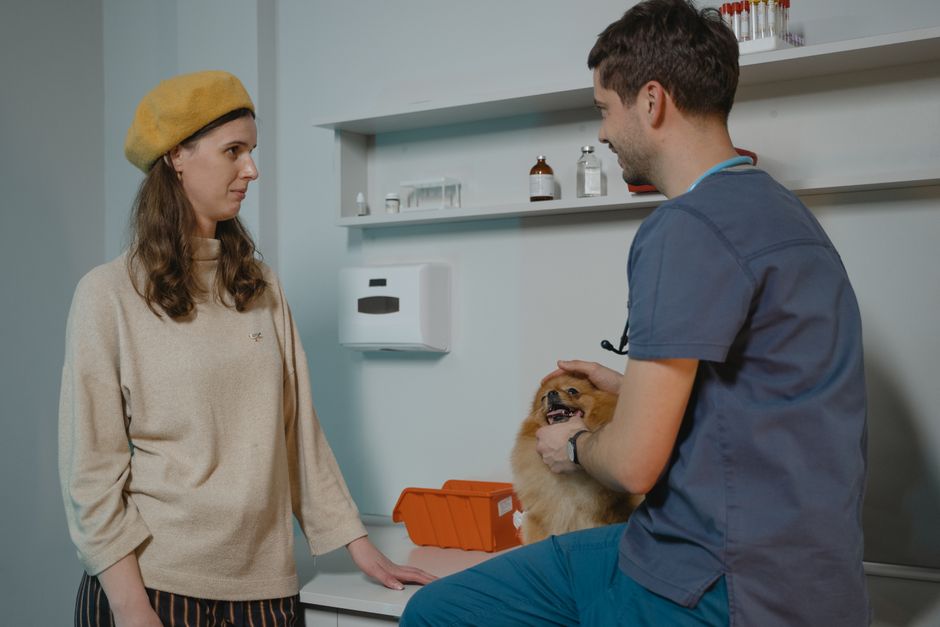
At Riverview Veterinary Hospital, our team is dedicated to providing compassionate, thorough care for every cat with allergy concerns. We are here to answer your questions, develop a personalized management plan, and support you every step of the way. If you are unsure whether your cat’s symptoms are allergy-related, a professional evaluation can offer peace of mind and a clear path forward.
Why Choose Riverview Veterinary Hospital for Cat Allergy Care?
Choosing the right cat allergy vet makes a significant difference in your cat’s comfort and long-term health. At our hospital in Riverview, FL, we combine advanced diagnostic tools with years of experience in feline medicine. Our veterinarians take the time to listen to your concerns, explain all available options, and provide ongoing support throughout your cat’s allergy journey. We pride ourselves on building lasting relationships with families in Riverview and surrounding communities, ensuring that every cat receives the highest quality of care.
Our commitment to education means you will always know what to expect, from initial testing to treatment adjustments. We also offer a full range of services, so any additional needs—whether dental care, vaccinations, or preventive exams—can be handled in one trusted location. When searching for a vet near me, you want a team that understands your cat’s unique needs and is dedicated to their well-being.
Take the Next Step: Help Your Cat Feel Comfortable Again
If your cat is showing signs of allergies, do not wait for the symptoms to worsen. Early intervention by a cat allergy vet is the best way to restore your cat’s comfort and protect their long-term health. Our veterinary team at Riverview Veterinary Hospital is ready to help, whether you are looking for answers, treatment options, or support with ongoing allergy management.
To schedule an appointment, call us at (813) 677-3100 or visit our hospital location. For more information about our allergy testing and dermatology services, explore our allergy testing and dermatology page.
Your cat deserves to feel their best every day. Reach out to our caring veterinary professionals for expert guidance and comprehensive allergy care. When you need a veterinarian near me, trust Riverview Veterinary Hospital to be your partner in your cat’s health.