Dog Allergy Vet Services in Riverview: Signs, Relief, and Next Steps
Dog Allergy Vet Services in Riverview: Signs, Relief, and Next Steps
Is your dog scratching, licking, or losing fur more than usual this summer in Riverview? Allergies are a common concern for many dogs, especially in Florida’s warm, humid climate, where pollen, grasses, and even household allergens can cause year-round discomfort. As a caring pet owner, you want your dog to feel comfortable and enjoy the season, not spend their days itching or chewing at their skin. Understanding when to call a dog allergy vet, what signs to watch for, and what relief options are available can make a world of difference for your dog’s quality of life.
At Riverview Veterinary Hospital, located at 7459 US HWY 301 S, Riverview, FL 33578, our experienced veterinary team is dedicated to helping your dog find relief from allergies. This blog will guide you through the most common signs of dog allergies, explain what causes them, outline the professional services and treatments available, and offer tips for managing allergies at home. Plus, you’ll find information about when to schedule an appointment and how our team can help, with a direct link to allergy testing and dermatology services for pets if you want to learn more.
Recognizing the Signs: Does Your Dog Need a Dog Allergy Vet?
Allergies in dogs can be tricky to spot at first. Unlike people, dogs rarely sneeze or get watery eyes as their main symptom. Instead, skin and ear issues are far more common. If your dog is itching more than usual, licking their paws, or losing fur, allergies could be the culprit.
Key symptoms include persistent scratching, licking, or chewing at the paws, belly, or base of the tail. You might notice red, inflamed skin, scabs, or patches of missing fur. Some dogs develop chronic ear infections, which may show up as head shaking, ear scratching, or a bad odor from the ears. Additionally, some dogs experience watery eyes, sneezing, or even gastrointestinal upset if their allergy is food-related.
Other signs are repeated skin infections, hot spots, or thickening and darkening of the skin, especially in areas your dog tends to scratch. Dogs with allergies may lose interest in playing or seem restless because they cannot get comfortable. If you notice any of these issues, it’s time to consider a visit with a dog allergy vet to get to the root of the problem.
Understanding Dog Allergies: Why Are Dogs So Itchy in Riverview?
Dog allergies are caused by a variety of triggers, which can be confusing and frustrating for pet owners. Environmental allergens such as pollen, grass, mold spores, and dust mites are common in Florida and often cause symptoms to flare up during certain seasons or after time outdoors. Flea allergies are another top cause; even a single flea bite can set off a severe reaction in sensitive dogs.
Food allergies, while less common than environmental allergies, can still play a significant role. They may develop suddenly, even if your dog has been eating the same food for years. Signs of food allergies often include both skin and digestive symptoms, such as itchy skin, ear infections, vomiting, or diarrhea.
Contact allergies are less common but can occur if your dog reacts to materials like certain cleaning products, plastics, or even some types of bedding. Because the symptoms of each allergy type overlap, it’s not always easy to pinpoint the specific cause without veterinary guidance. That’s where a dog allergy vet at Riverview Veterinary Hospital comes in, using a combination of history-taking, examination, and targeted testing to identify the triggers affecting your dog.
How a Dog Allergy Vet Can Help: Diagnosis and Treatment Options
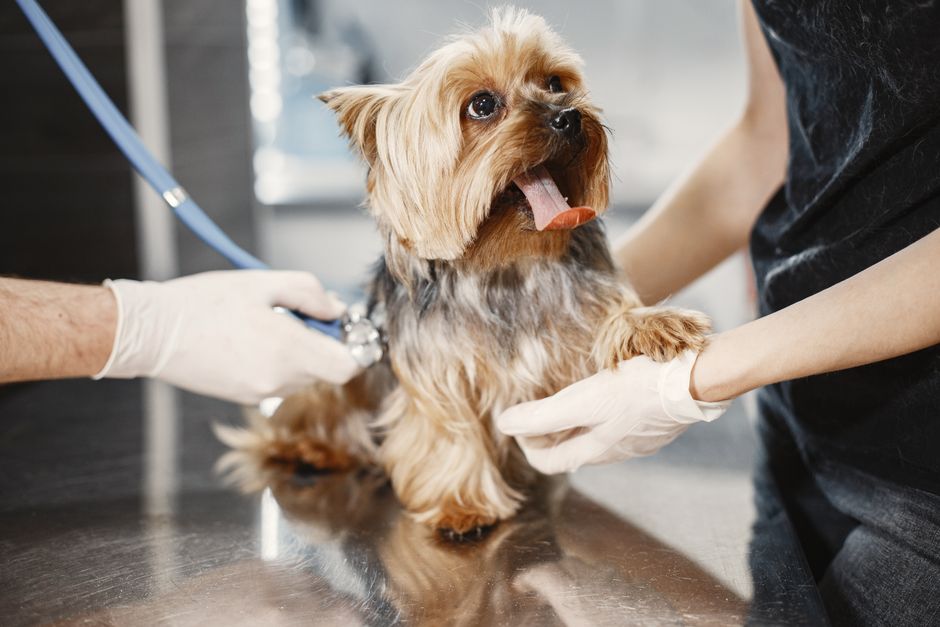
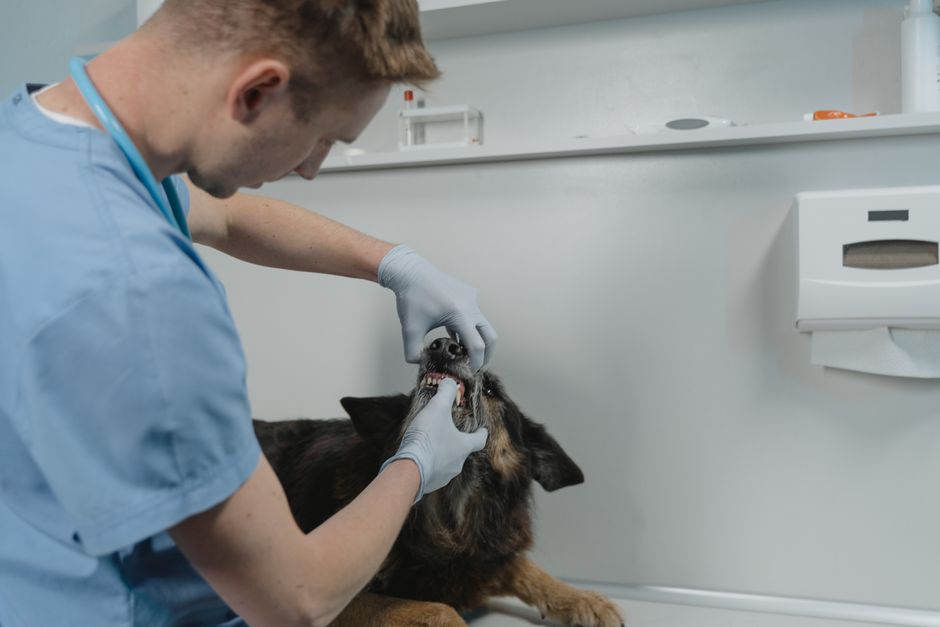
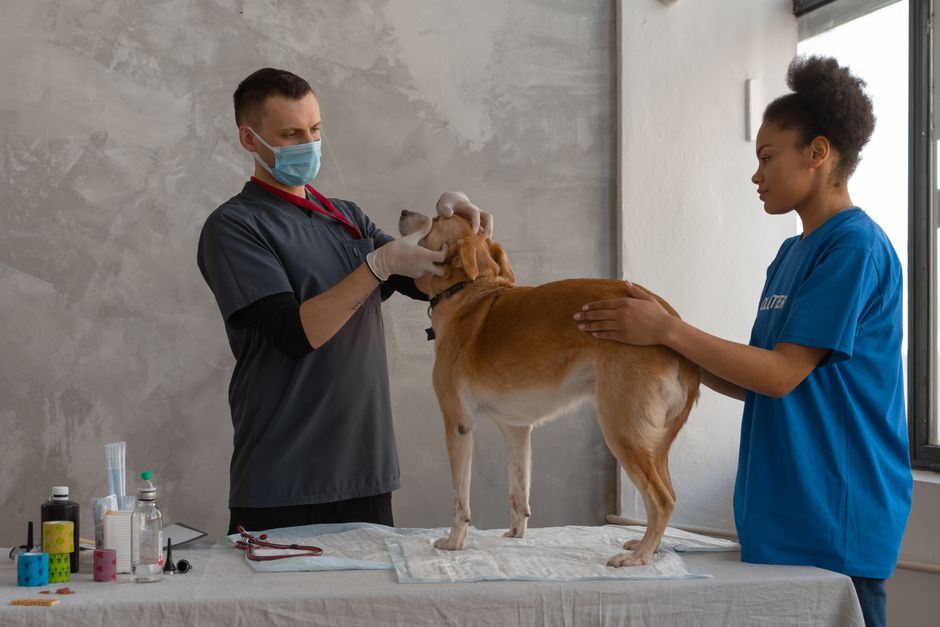
When you bring your dog to Riverview Veterinary Hospital for allergy concerns, our veterinarians will start with a thorough examination and a detailed discussion about your dog’s environment, diet, and health history. This helps us narrow down the most likely causes and determine the best plan for relief. Diagnostic steps may involve skin tests, blood tests, or elimination diets, depending on your dog’s symptoms.
In many cases, allergy testing can provide valuable insight into what’s triggering your dog’s discomfort. Our allergy testing and dermatology services for pets are designed to help identify environmental and food allergens, allowing us to develop a customized treatment plan.
Treatment approaches involve a combination of managing exposure to allergens and providing direct symptom relief. For environmental allergies, regular bathing with medicated or hypoallergenic shampoos can help remove allergens from your dog’s coat and skin. Prescription medications—such as antihistamines, steroids, or more advanced options like Apoquel or Cytopoint—can reduce itching and inflammation quickly. For dogs with chronic or severe allergies, immunotherapy (allergy shots) may help retrain the immune system to react less strongly to specific allergens.
Flea prevention is vital for all dogs with allergies, as even a single flea can trigger major flare-ups. Our team will recommend safe, effective flea control products suited to your dog’s needs and local risks. For food allergies, your dog may need a carefully controlled elimination diet to pinpoint and remove the offending ingredients. Throughout this process, our veterinarians will work closely with you to monitor progress and adjust the plan as needed to keep your dog comfortable year-round.
Managing Allergies at Home: What Pet Owners Can Do
While veterinary care is crucial for diagnosing and treating allergies, there are several steps you can take at home to help minimize your dog’s exposure to common triggers and keep symptoms under control. Regularly bathing your dog with a veterinarian-recommended shampoo can remove pollen, dust, and other irritants from the skin and coat. Wiping your dog’s paws and belly with a damp cloth after walks is another practical way to reduce contact with outdoor allergens.
Frequent vacuuming and washing your dog’s bedding can help control dust mites and reduce allergen buildup in your home. Using air purifiers and keeping windows closed during peak pollen times can also make a difference. For dogs with food allergies, strictly adhering to the prescribed elimination diet—avoiding table scraps and treats not approved by your veterinarian—is essential for seeing improvement.
Consistent use of flea preventatives will protect your dog from flea bites, which are a major source of allergy-related itching and discomfort. Watch for any changes in your dog’s symptoms and keep a journal if needed; this information can be invaluable for your veterinarian in tracking patterns and responses to treatment.
When to Schedule a Visit with a Dog Allergy Vet
Knowing when to seek professional help is important for your dog’s health and comfort. If your dog’s itching is persistent, severe, or accompanied by sores, hair loss, or recurrent ear infections, it’s time to schedule an appointment. Similarly, if you notice changes in your dog’s behavior, appetite, or energy level, or if home care measures are not bringing relief, a veterinary exam is warranted.
Early intervention can prevent more serious complications such as secondary infections, chronic skin changes, or significant discomfort. At Riverview Veterinary Hospital, our dog allergy vet services focus on comprehensive diagnosis, tailored treatment, and ongoing support for you and your pet. We are committed to helping dogs in Riverview and surrounding communities find lasting relief from allergies, so your dog can get back to enjoying life.
Your Next Steps: Comfort and Relief for Your Dog Starts Here
Caring for a dog with allergies can feel overwhelming, but you don’t have to manage it alone. By partnering with a dedicated dog allergy vet at Riverview Veterinary Hospital, you can provide your dog with the expert care and relief they deserve. Our veterinary team is here to help you every step of the way—from pinpointing the cause of your dog’s symptoms to creating a personalized plan for long-term comfort.
If you are searching for a vet near me who understands the unique allergy challenges faced by dogs in the Riverview area, our hospital is ready to welcome you and your pet. To learn more about our dog allergy vet services or to schedule an appointment, contact Riverview Veterinary Hospital at (813) 677-3100 or visit us at 7459 US HWY 301 S, Riverview, FL 33578. You can also explore our allergy testing and dermatology services for pets for additional information about how we can help.
Relief is possible, and your dog deserves to feel their best. Schedule a visit with our compassionate veterinary professionals today—let us help your dog enjoy a happier, healthier season in Riverview.
Medical Disclaimer: This blog is intended for informational purposes only and does not replace professional veterinary advice. If your dog is experiencing severe symptoms or you have concerns about their health, always consult a licensed veterinarian for an accurate diagnosis and tailored treatment plan.