How to Keep Your Dog Safe in Florida’s Summer Heat
How to Keep Your Dog Safe in Florida’s Summer Heat
Florida summers bring plenty of sunshine and outdoor fun, but for dog owners in Riverview and the surrounding communities, the hot, humid weather also raises serious concerns about your pet’s safety. At Riverview Veterinary Hospital, located at 7459 US HWY 301 S, Riverview, FL 33578, we know just how quickly Florida heat can become dangerous for your dog. Whether you’re taking your dog for a walk around the neighborhood, spending time at a local park, or relaxing in your backyard, understanding the risks of heat and how to prevent heat-related illness is essential for every pet owner.
In this blog, we’ll discuss the most important signs of heat stress and heatstroke in dogs, explain why Florida’s climate poses unique risks, share practical tips for keeping your dog cool and safe, and let you know when it’s time to seek veterinary care. Our experienced veterinary team is dedicated to helping you protect your dog’s health throughout the summer and beyond. If you ever have questions about your dog’s wellbeing or need advice on keeping them safe in the heat, we’re here to help you every step of the way.
Recognizing the Signs of Heat Stress and Heatstroke in Dogs
Knowing how to spot the early warning signs of heat stress in your dog can make all the difference during Florida’s hottest months. Dogs are more vulnerable to heat than people realize, and their bodies are less efficient at cooling themselves. Heat-related problems can progress rapidly, so it’s crucial to act quickly if you notice anything unusual.
Key symptoms of heat stress in dogs include excessive panting, drooling, restlessness, and seeking cool surfaces to lie on. As heat exhaustion worsens, you might notice your dog becoming weak, unsteady on their feet, or showing signs of confusion. In severe cases, heatstroke can cause vomiting, diarrhea, dark red or pale gums, rapid heart rate, and even collapse. Dogs suffering from heatstroke may also experience seizures or lose consciousness.
Some breeds, especially those with short noses like Bulldogs, Pugs, and Boxers, are at higher risk for heat-related illnesses. Overweight dogs, seniors, and those with underlying medical conditions can also struggle more with the heat. If you see any of these symptoms in your dog during warm weather, it’s important to take immediate steps to cool them down and contact your veterinarian as soon as possible.
Why Florida’s Climate Puts Dogs at Risk
Florida’s unique combination of high temperatures and humidity creates an environment where dogs can overheat much more quickly than in drier climates. Dogs regulate their body temperature primarily through panting; however, when the air is hot and humid, panting becomes much less effective. This means your dog may not be able to cool down efficiently, even in the shade or indoors if there is inadequate ventilation.
The risk is especially high during midday and early afternoon, when pavement and sand can become dangerously hot, potentially causing burns to your dog’s paw pads. Even a short walk during these hours can lead to overheating. Cars also heat up rapidly, and a dog left in a parked vehicle for even a few minutes is at great risk of heatstroke, even if the windows are cracked.
Unlike humans, dogs do not sweat through their skin. Their limited ability to release heat puts them at greater risk for heat stress and heatstroke, especially during Florida’s long summer months. Understanding these climate-specific challenges can help you make safer choices for your dog’s daily routine.
How the Veterinary Team at Riverview Veterinary Hospital Can Help
At Riverview Veterinary Hospital, we see many cases of heat-related illness during the summer. Our veterinarians are trained to identify and treat the symptoms of heat stress and heatstroke quickly and effectively. If you suspect your dog is suffering from heatstroke, call us right away at (813) 677-3100 so we can provide instructions and prepare for your arrival.
Treatment for heatstroke in dogs often involves rapidly lowering your dog’s body temperature, administering intravenous fluids to support organ function, and closely monitoring vital signs. In severe cases, advanced diagnostics and hospitalization may be needed to manage complications such as organ failure or neurological issues.
Regular wellness examinations are a key part of keeping your dog healthy and identifying any underlying conditions that increase their risk for heat-related problems. If your dog has a history of breathing difficulties, heart disease, or is a senior pet, we recommend discussing summer safety with our veterinary team during your next visit. Preventative care also includes making sure your dog is up-to-date on vaccination services, as some infectious diseases can worsen the effects of heat stress.
Practical Tips for Keeping Your Dog Cool and Safe at Home
Protecting your dog from Florida’s summer heat starts with a few simple changes to your daily routine. Always walk your dog during the cooler parts of the day, such as early morning or late evening, when temperatures are lower. Test pavement or sand with your hand before heading out; if it feels too hot for your skin, it’s too hot for your dog’s paws.
Make sure your dog has access to fresh, cool water at all times, both indoors and outdoors. Shade is essential; set up a shaded area in your yard, or bring a portable shade when at the park or beach. Consider adding fans or cooling mats indoors to help your dog beat the heat. Never leave your dog in a parked car, even for a short time.
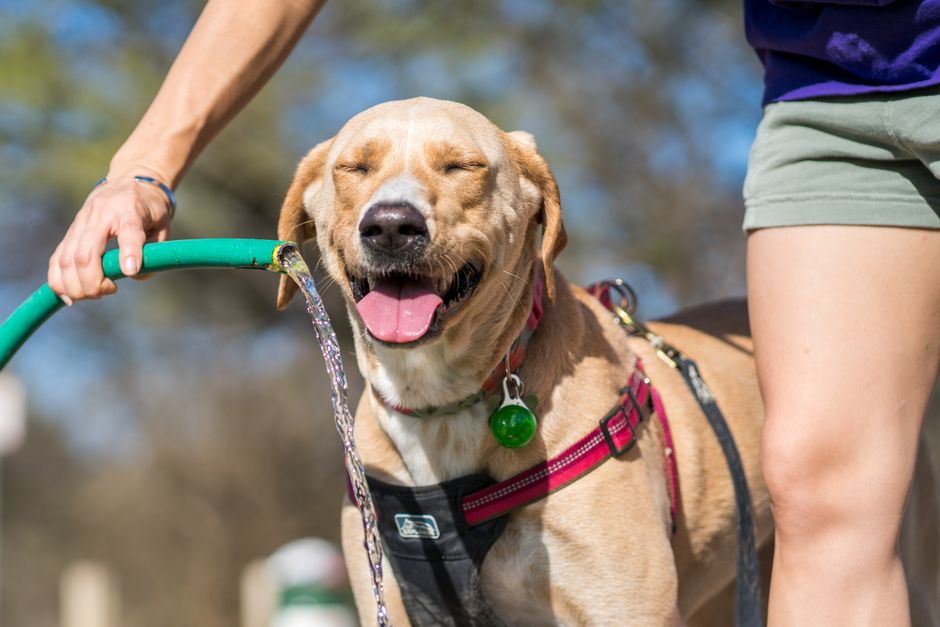
At home, keep your dog indoors during the hottest part of the day; air conditioning or fans can make a significant difference. For dogs that love to play outside, offer water play options like shallow kiddie pools or gentle sprinklers. Remember that flat-faced breeds, overweight dogs, and those with thick coats may need even more help staying cool.
It’s also important to adjust your dog’s exercise routine. Activities that are safe in the fall or winter may be too strenuous during summer. Watch your dog closely for signs of fatigue or overheating, and take breaks in the shade as needed. If your dog enjoys car rides, limit trips during hot weather and never leave them unattended in the vehicle.
When to Seek Veterinary Care for Heatstroke in Dogs
Knowing when to take action can save your dog’s life. If your dog is excessively panting, drooling, or acting lethargic in the heat, move them to a cooler area immediately and offer water. If you notice severe symptoms such as vomiting, diarrhea, collapse, seizures, or unresponsiveness, this is a veterinary emergency.
While initial cooling steps at home can help, such as applying cool (not cold) water to your dog’s body and using fans, never delay professional care. Call Riverview Veterinary Hospital at (813) 677-3100 on your way so our team can prepare for your arrival. Fast intervention can mean the difference between a full recovery and long-term health issues.
If you’re unsure whether your dog needs urgent care, always err on the side of caution. Our veterinary professionals are here to answer your questions and provide guidance based on your dog’s specific health needs. Regular pet examinations can also help you better understand your dog’s risk factors and create a tailored summer safety plan.
Proactive Prevention: Setting Your Dog Up for a Healthy Summer
Prevention is the best way to keep your dog safe during Florida’s hot summer months. In addition to the tips mentioned above, consider scheduling a wellness examination before the hottest part of the year arrives. During these visits, our veterinary team can assess your dog’s overall health, provide breed-specific advice, and recommend appropriate vaccinations to protect against other summer health risks.
If your dog has a history of allergies, summer heat and environmental changes can make symptoms worse. Our hospital offers pet allergy testing to help you identify and manage triggers effectively. Keeping your dog comfortable and healthy is always our top priority, no matter the season.
It’s also helpful to educate all family members about the risks of heatstroke and the steps to take in an emergency. Make sure everyone knows the signs of heat stress, how to cool your dog safely, and when to call the veterinarian. With the right preparation, you can enjoy a fun, safe summer with your dog by your side.
Your Partner in Summer Pet Safety: Riverview Veterinary Hospital
Florida’s summer heat can be challenging, but with the right approach, you can protect your dog from the dangers of heatstroke and enjoy all the season has to offer. Watch for early signs of overheating, make smart choices about exercise and outdoor time, and don’t hesitate to seek help if you’re concerned about your dog’s health.
If you need guidance on summer safety or want to schedule a wellness examination, our team of veterinarians at Riverview Veterinary Hospital is ready to assist you. When you’re searching for a veterinarian near me, trust the professionals at our Riverview location to provide compassionate, expert care for your dog. Call us at (813) 677-3100 to book an appointment or discuss any concerns. Together, we can keep your dog safe, happy, and healthy all summer long.