Protecting Your Pet From Fleas and Ticks in April

Protecting Your Pet From Fleas and Ticks in April
As April arrives in Riverview, longer days and warmer weather invite us and our pets to spend more time outdoors. While spring brings plenty of opportunities for fun, it also marks the beginning of flea and tick season in Florida. These tiny but troublesome pests thrive in our humid climate and can quickly turn a relaxing walk or backyard playtime into a source of discomfort—and health risks—for your dog or cat. At Riverview Veterinary Hospital, located at 7459 US HWY 301 S, Riverview, FL 33578, our veterinary team is committed to helping local pet owners recognize, prevent, and treat flea and tick problems before they affect your furry family member. In this guide, you’ll learn how to spot early warning signs of fleas and ticks, understand why Riverview’s climate makes prevention crucial, discover what to do if your pet is affected, and get actionable tips to keep your companion pest-free throughout spring.
Whether you’re concerned about itching, have found a suspicious bug on your pet, or simply want to stay ahead of the season, our veterinarians are here to help you protect your pet’s health and comfort. If you’re interested in a wellness examination or want advice tailored to your pet’s needs, you can always schedule an appointment with our knowledgeable veterinary team.
Recognizing Flea and Tick Problems in Your Pet
Fleas and ticks are more than just a nuisance; they can cause significant discomfort, spread disease, and lead to chronic skin issues for both dogs and cats. Recognizing the early signs of an infestation is essential for prompt action and effective treatment.
Common signs your pet may have fleas include frequent scratching or biting at the skin, especially around the base of the tail, neck, or behind the ears. You might notice small red bumps, hair loss in patches, or see tiny black specks—commonly called “flea dirt”—on your pet’s skin or bedding. In some cases, pets develop allergic reactions to flea saliva, resulting in intense itching, open sores, or scabs.
Ticks are often easier to spot visually, as they attach themselves to the skin and can become engorged after feeding. If you feel a small lump while petting your dog or cat, especially around the head, ears, or between the toes, it’s worth checking for a tick. Lethargy, decreased appetite, or fever can develop if your pet contracts a tick-borne disease.
Keep in mind that cats, in particular, may groom themselves so thoroughly that you might not see obvious signs of fleas or ticks until the infestation becomes moderate or severe. Regular checks, especially after outdoor activities, are important for early detection.
Why Fleas and Ticks Are a Concern in Riverview, FL
Fleas and ticks thrive in warm, humid environments, making Riverview and the surrounding communities an ideal habitat for these external parasites. The spring months, starting in April, signal the beginning of peak flea and tick activity in our area.
These pests are not just uncomfortable—they can transmit serious diseases to pets and people alike. Fleas are known for causing tapeworm infections and can transmit Bartonella (cat scratch fever), while ticks in Florida can spread illnesses such as Lyme disease, ehrlichiosis, and Rocky Mountain spotted fever. The risk increases as pets spend more time outdoors, visit parks, or interact with other animals.
Even indoor-only pets are not immune; fleas and ticks can hitch a ride indoors on clothing or other animals. The local environment—yards with shaded, moist areas, wooded trails, and grassy parks—provides ample opportunity for exposure. Because these parasites reproduce quickly, a small problem can escalate into a major infestation in just a few weeks.
Professional Flea and Tick Treatment: What to Expect
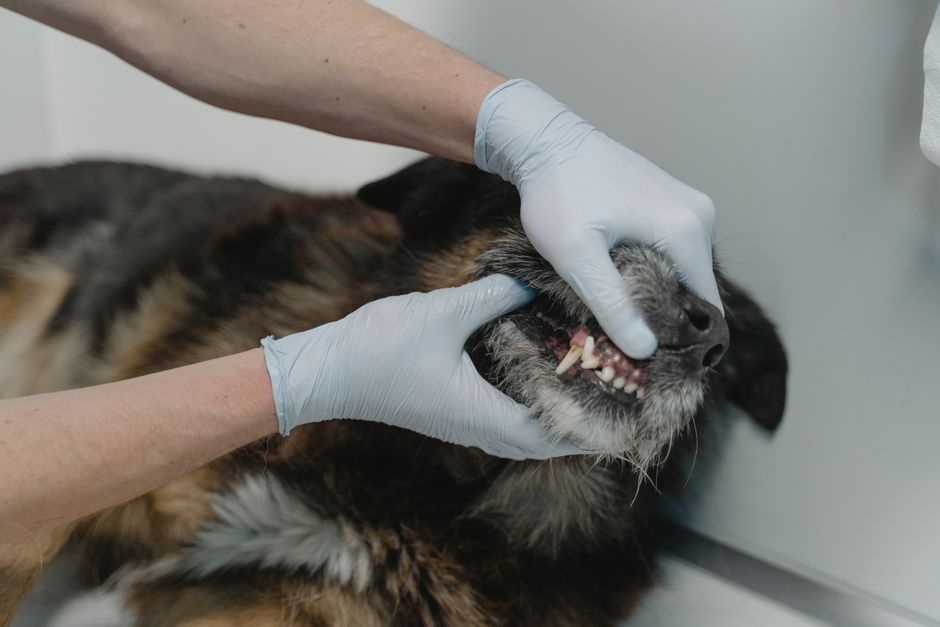
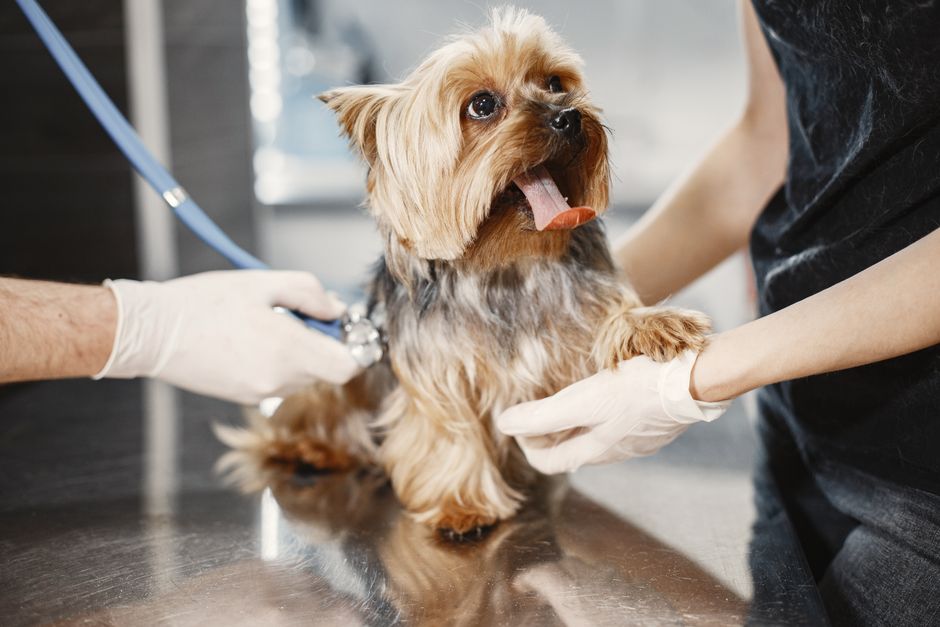
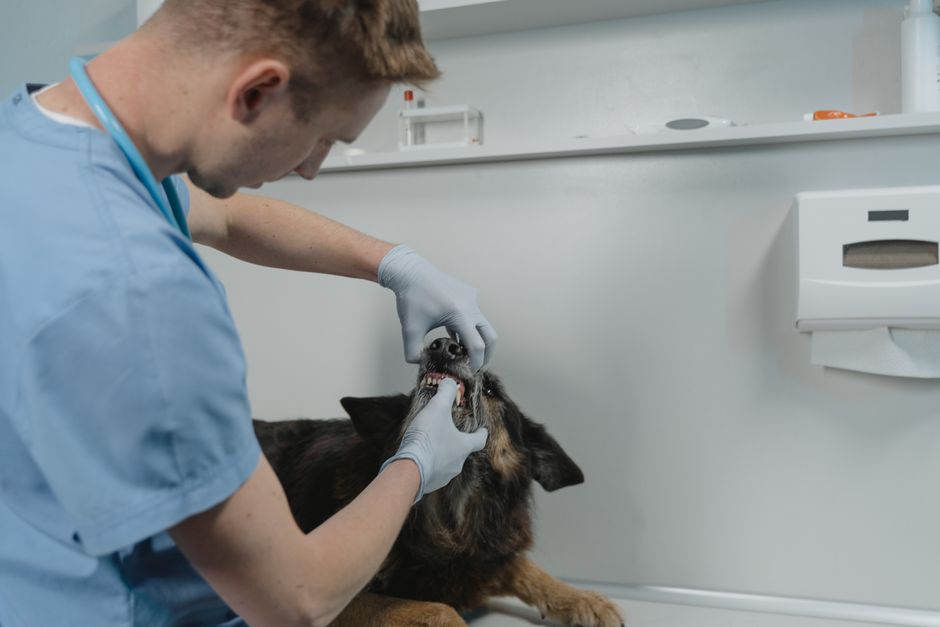
If you suspect your pet has fleas or ticks, it’s important to seek veterinary guidance for both your pet’s health and the safety of your household. At Riverview Veterinary Hospital, our veterinarians perform a thorough examination to confirm the presence of parasites and assess any skin or health issues caused by the infestation.
Treatment approaches often include prescription flea and tick preventives that are safe and effective for your pet’s species and lifestyle. Options may involve topical medications, oral tablets, or a combination for comprehensive protection. For pets with skin irritation or secondary infections, our team may recommend medicated shampoos, anti-itch medications, or antibiotics as needed.
Severe infestations sometimes require environmental control—such as treating bedding, vacuuming carpets, and addressing outdoor areas. Our veterinary professionals will discuss tailored strategies for your home and answer any questions about product safety, especially if you have both dogs and cats in the household.
If you’re curious about your pet’s overall health during flea and tick season or want to rule out additional skin allergies, you might benefit from a wellness examination or allergy testing and dermatology services through our clinic. These services can help identify underlying sensitivities and ensure your pet receives the most effective care.
Preventing Flea and Tick Problems at Home
Prevention is always easier and more effective than treating an established infestation. As April temperatures rise in Riverview, proactive steps can help keep your pet safe from fleas and ticks.
First, consistent use of veterinarian-recommended flea and tick preventives is the foundation of protection. Our veterinary team can recommend the best products based on your pet’s age, weight, species, and health history. These medications should be used year-round in Florida, as our mild winters rarely eliminate parasite risks completely.
Regular grooming and inspection are also important. After walks or outdoor play, run your hands through your pet’s fur and check common hiding spots, such as under the collar, around the ears, and between the toes. Early removal of ticks reduces the risk of disease transmission. Bathing your pet with a gentle shampoo can help remove loose fleas and soothe irritated skin, but always consult our veterinarians before using over-the-counter products, as some can be toxic to cats or young animals.
Maintaining a clean home environment is equally vital. Frequent vacuuming, washing pet bedding in hot water, and keeping your yard trimmed and free of debris can limit opportunities for fleas and ticks to thrive. If your pet spends time at local parks or in wooded areas, extra vigilance during these months is warranted.
When introducing a new pet or if your pet interacts with others, ask about their parasite prevention status. Fleas and ticks can easily spread between animals, so keeping all pets protected is crucial for household-wide prevention.
When to Seek Veterinary Care for Fleas and Ticks
While minor itching or a single tick may not seem urgent, there are situations where prompt veterinary attention is essential. You should schedule an appointment with our team if you notice persistent scratching, hair loss, red or irritated skin, visible fleas or flea dirt, or find more than one tick attached to your pet.
Pets that develop sores, scabs, or show signs of illness such as lethargy, decreased appetite, or fever should be evaluated as soon as possible. These symptoms could indicate a secondary infection or a tick-borne disease, both of which require timely treatment for the best outcome.
Young puppies and kittens, senior pets, and those with chronic medical conditions are especially vulnerable to complications from fleas and ticks. If your pet falls into one of these categories, do not hesitate to reach out for guidance. Our veterinary professionals will provide advice tailored to your pet’s unique needs and can help you implement a safe, effective prevention plan.
Remember, even if you have tried over-the-counter products without success, our veterinarians have access to advanced prescription options and can troubleshoot persistent problems.
For those actively searching for a "vet near me" as flea and tick season ramps up, Riverview Veterinary Hospital is here to offer comprehensive support and peace of mind for your pet’s health.
Take the Next Step to Protect Your Pet This Spring
Keeping your dog or cat safe from fleas and ticks in April is a team effort between you and your trusted veterinary professionals. Early detection, year-round prevention, and timely veterinary care are the keys to a happy, healthy, and itch-free spring for your companion.
If you have questions about flea and tick prevention, want to schedule a wellness examination, or need guidance after finding pests on your pet, our veterinarians at Riverview Veterinary Hospital are ready to help. You can explore our comprehensive pet exam or allergy testing and dermatology services for extra support.
To schedule an appointment, call (813) 677-3100 or visit us at 7459 US HWY 301 S, Riverview, FL 33578. Our veterinary team is dedicated to helping pets and their families in Riverview and surrounding communities enjoy the best of springtime, free from the worries of fleas and ticks. If you are looking for a veterinarian near me who prioritizes your pet’s comfort and health, we invite you to experience the caring approach at Riverview Veterinary Hospital.
This blog is for informational purposes only and does not replace professional veterinary advice. Always consult your veterinarian for personalized recommendations and care. For more information on flea and tick prevention or to schedule a visit, contact our clinic today or visit our complete list of veterinary services.